
Fiber infrastructure reference
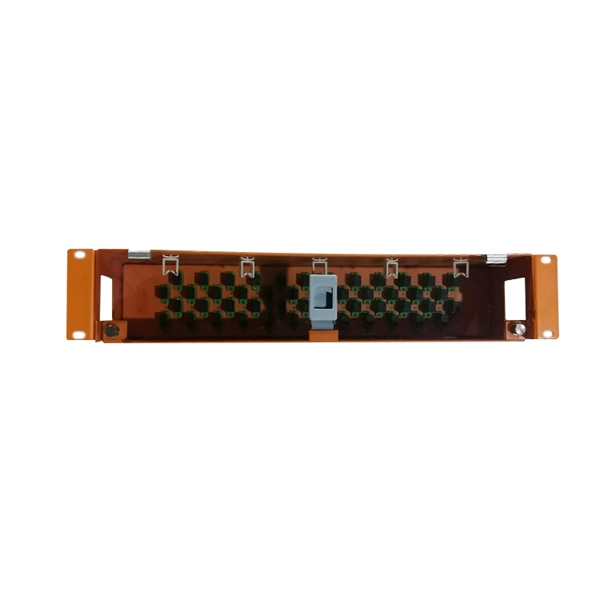
Electrical Busbars: Function, Types, Design & Selection
Electrical busbars are solid conductors used to carry and distribute high current in switchgear, panels, substations, and power systems. This guide explains how busbars work,
Busbars: Electrical Types, Sizing & Design Guide
Learn what busbars are, how they distribute current, and how engineers check sizing, ampacity, supports, fault forces, and overheating.
What Is a Bus Bar in Electrical Engineering? Full Guide
Think of a bus bar as the main highway for electrical current—allowing it to flow between components with minimal resistance and voltage drop. It
Busbar, Bus Stab, Breaker Slot and Circuit Space in a Panel
In this article, we will focus on snapping breakers for branch circuit conductors and explain related terms such as busbars, circuit space, breaker slots, and bus stabs. A busbar is the main conductive strip or
Busbar Electrical System Explained: Types, Applications & Design Guide
Discover how a busbar electrical system works, including busbar types, applications, and key design factors. Learn why electric busbars are essential for efficient power distribution in modern
Busbar Design in Switchgear: Key Principles & Best
While busbars generally offer higher current-carrying capacity, better heat dissipation, and easier branching, cables can still be advantageous in small
Electrical busbar system
Electrical busbar systems (sometimes simply referred to as busbar systems) are a modular approach to electrical wiring, where instead of a standard cable wiring to every single electrical device, the
Step-by-Step Busbar Installation Guide | Artizono
Traditional panel wiring systems use power distribution blocks (PDBs) and many individual wires to distribute power. However, these systems are increasingly being replaced by busbar
How to Wire a Busbar for Safe Power Distribution
Master the critical steps—from tool selection and safety checks to proper crimping and torque—for wiring any electrical busbar safely.
What is Busbar? Types, Advantages (2026 Updated
A: Terminal strips are separate circuits where each incoming wire is paired with an outgoing wire for low current applications, whereas busbars bring
Busbars: Electrical Types, Sizing & Design Guide
Busbars create a common current path between an incoming source and multiple outgoing feeders. Start at the incoming source, follow the main
Why Do Malls Need 8-Way Power Distribution Cabinets?
8-Way Branch Circuit Breakers: The "executors." Connected to the main breaker via the busbars, these 8 breakers independently control 8 distinct electrical circuits (e.g., Circuit 1 for East
What Is a Busbar? Types, Uses, and How It Works
Two main “hot” busbars run vertically down the center of the panel. Each circuit breaker snaps onto one of these bars to draw power, then routes it out through wiring to a specific part of
Distribution board
A distribution board (also known as panelboard, circuit breaker panel, breaker panel, circuit breaker, electric panel, fuse box or DB box) is a component of an electricity supply system that divides an
Electrical busbar system
Content and types of busbar systems A busbar system usually contains couple of busbar holders, busbars, Adapters to mount devices, clamps either with protective covering or without covering to
A Comprehensive Guide to the Different Types of
Explore the different types of electrical bus bars, including copper, aluminum, tinned copper, insulated, flat, flexible, and bus ducts.
What Is a Busbar: Types, Applications, & Simulation
What is an Electrical Busbar: Types, Applications, & Simulation Busbars are metallic strips or bars that function as conductors, centralizing the
What Is a Bus Bar in Electrical Engineering? Full Guide
Discover what a bus bar is in electrical systems, how it works, the different types, materials used, key benefits, and where it''s applied. Cover
Related Video Reference
This video was associated with the source search result. Verify technical details against current product documentation and project requirements.