
Fiber infrastructure reference
Optical Fiber Jointing Methods
The document discusses methods for joining optical fibers, including fusion splicing and mechanical splicing. Proper preparation of the fiber ends is important for both methods.
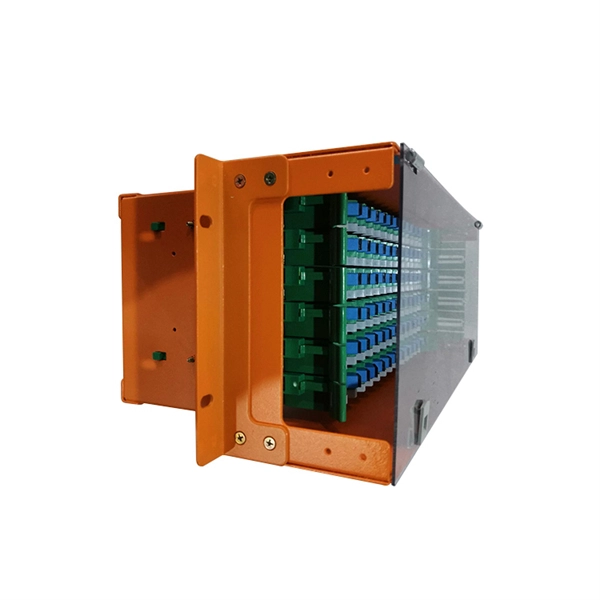
6 core Fiber Optical Splicing With 24 Port LIU
If you have any specific questions about fiber optic splicing or LIUs, feel free to ask, and I''ll do my best to assist you.
Fiber_Jointing_SOP (Standard Operating Procedure)
To standardize the process of optical fiber jointing, ensuring low splice loss, adherence to safety, and compliance with network quality standards.
Everything you need to know about fiber optic termination
We terminate fiber optic cable two ways - with connectors that can mate two fibers to create a temporary joint and/or connect the fiber to a piece of network gear or with splices which create a permanent
How to Routing a Fiber Core in Joint Box
With the help of this video you can easily routing a fibers in your joint box and run your network without any optical fiber power loss..
Installing fiber optic junction boxes correctly
Follow our simple guide to correctly install your fiber optic junction box and enjoy the benefits of a high-speed connection. Click here for all the materials and tools you need.
Join Two Fibers: Splicing, Coupler, Splice | Elfcam
Need to extend, repair or join two fibre optic cables? There are three main methods, each with its own advantages and limitations. This article explains when and how to use each one — from
Fiber optic junction box, Fiber optic terminal box
We offer various ranges of an optical joint closure from a small count to a super high count for under ground and aerial installation, and also offer an optical cabinet
Joining Fiber Cable – What Are the Options?
Joining Fiber Cable – What Are the Options? However well you plan your installation, fiber cable is rarely the right length for each run, and is inherently difficult to join. Consequently, cables have to be
The Complete Step-by-Step Guide to Fiber Optic Splicing
In this guide, we cover the basics of fiber optic splicing, how to perform splicing using two different methods, and finally some best practices to perform good fiber splicing.
Smartphones, Accessories & Smart Home Devices
#hellomoto | Discover our new unlocked Android phones from motorola and stay informed about our offers and promotions.
The FOA Reference For Fiber Optics
Topic: Fiber Optic Cable Table of Contents: The FOA Reference Guide To Fiber Optics Fiber Optic Cable Cable Types: (L>R): Zipcord, Distribution, Loose Tube,
Understanding Fiber Optic Junction Boxes: A
8. Conclusion In conclusion, fiber optic junction boxes are indispensable components in modern communication networks. Whether you''re
All You Need To Know About Fiber Termination Boxes:
Source In this blog, we will discuss the two types of fiber optic cables and the role of a simple yet essential piece of equipment in the fiber laying
ODF: Optical Distribution Frame
ODF, or Optical Distribution Frame, is a high-capacity, high-density frame used for fiber optic cable connection, distribution, dispatch, and management.
Optical Distribution Frame (ODF): What It Is, How It Works, and Why It
An Optical Distribution Frame (ODF), also known as a fiber optic patch panel, is a specialized hardware unit that centralizes fiber optic cable connections. Acting as a “traffic hub” for
Learn how to complete optical fiber splicing in 1 minute
Learn how to complete optical fiber splicing in 1 minute #networkengineers #network #opticalfiber 8.5K Dislike 51
101 Guidelines for Fiber Termination Box
Fiber termination box (FTB), also known as optical terminal box (OTB), generally refers to a distribution box specially designed for fiber cable management (fiber patch cables/pigtails) in FTTH
Related Video Reference
This video was associated with the source search result. Verify technical details against current product documentation and project requirements.