
Fiber infrastructure reference
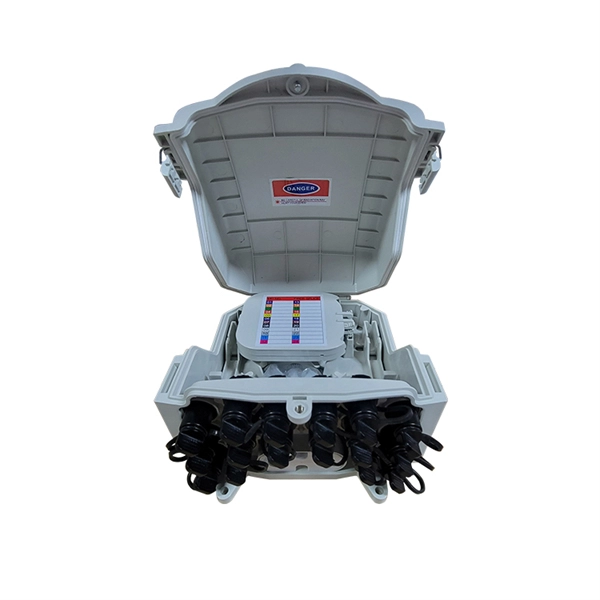
Efficient Infrastructure: Plastic Injection Molded Optical
This blog explores the advantages, materials, and applications of plastic injection molding for optical fiber connectors and enclosures, highlighting its contribution
Characteristics of Injection Molding in Optical Fiber Splice Closure
In this research, first, the optical fiber splice closure, its configuration, and the design problem were briefly investigated. Second, the design and application for in-line cable closure were studied to
Custom Fiber Plastic Parts: Engineering & Mass
Overcome injection molding challenges in fiber optic components. Our engineering-driven process covers mold feasibility, trial molding, and
China''s Leading FTTH Solution Manufacturer
Besides cables and patch cords, we also focus on precision mold development, with 15 injection machines supporting the production of fiber optic splicing boxes and MST boxes.
Characteristics of Injection Molding in Optical Fiber Splice Closure
In this research, first, the optical fiber splice closure, its configuration, and the design problem were briefly investigated.
Video of fiber optic terminal box injection molding production
I was quite surprised when I first saw the entire injection molding process for fiber optic terminal boxes in the production workshop.
Injection Molded Fiber Splice Trays
Leviton Injection-Molded Plastic Fiber Splice Trays provide protection and slack management of heat-shrink fusion spliced fibers (up to 12 or 24 fibers) inside of a fiber enclosure.
In-Line Type Splice Closures
Techlogiks In-line type closures can be used in aerial, underground, pipe manhole, duct mounting, handhole mounting, direct burial, wall mounting, and piping laying of optical cables in connection and
Optical Injection Molding: Materials, Processes, Molds
Compare optical injection molding materials (PMMA, PC, PS), processes (Standard, Precision, Micro), and mold design for optimal product performance. Make informed choices.
Fiber Splice Boxes | Amphenol Network Solutions
These aluminum enclosures are designed for high-density splice storage, with emphasis on proper fiber management and versatility of cable port seals and cable tie-down features. FSB enclosures can be
Fiber Optic Splice Enclosure, Fiber Optic Joint Enclosure Box
We have different types of joint closure fiber optic boxes. You can click and check the details of our splice enclosure types below. If you have any questions about our optical fibre cable joint closure, or
BXJ93 Explosion Proof Fibre Optic Splice Boxes (Ex op pr IIC, Ex op
BXJ93 Explosion Proof Fibre Optic Splice Box Key Features: IECEx & ATEX Certified for use in explosive atmospheres High-density fiber capacity supporting SC, LC, ST or custom termination
Splice boxes | Phoenix Contact
Splice boxes for future-proof data transmission Splice boxes ensure continuously reliable real-time data transmission. With their compact and uniform design, the splice boxes for both the DIN rail and 19"
ADSS/OPGW Metal Junction Box
FOSC Metal Joint Junction Box For Pole and Tower ADSS/OPGW 12, 24, 48, up to 144 Cores Aerial Fiber Optic Cable Splice Closure, Contact Us for Details Now!
Fiber Splice Boxes | Amphenol Network Solutions
Fiber splice boxes from Amphenol Network Solutions are designed for splice-only applications. They are suited for optical cable splice collection points for DAS, MTU and MDU.
Fiber Optic Splice Trays & Termination Boxes: Fusion Splicing
Our fiber optic splice trays and boxes provide a secure and organized solution for managing fiber splices in various network environments. These enclosures protect delicate spliced fibers, ensuring long
Fiber Splicing Methods and Protection with Splice Closures
Discover the differences between fusion and mechanical splicing, learn how to ensure safe fiber optic splicing, and see why splice closures are essential for long-term network reliability.
Characteristics of Injection Molding in Optical Fiber Splice Closure
Optical fiber splice closure serves to protect connection parts from external environment. Moreover, it functions as a connection, junction, and distribution in diverse surroundings such as
Related Video Reference
This video was associated with the source search result. Verify technical details against current product documentation and project requirements.