DOLPHIN FIBERNetwork equipment for Africa Send a project enquiry
Fiber network equipment / Technical library Optical reference library

Indoor Standard Optical Cable

Jump to a section
Source context

AI source overview

Indoor optical cables must meet international standards for mechanical, environmental, and fire safety performance, including ITU-T, IEC, TIA, and FOA guidelines. Key Standards and SpecificationsITU-T Recommendations such as G. 652, G.

657, and L. 103 define single-mode fiber characteristics, including low attenuation, zero dispersion at 1310 nm, and bend-insensitive performance for indoor applications. ITU-T L.

103 specifically addresses mechanical and environmental requirements for indoor cables, including tensile strength, bending, crush resistance, impact resistance, and temperature tolerance, referencing IEC 60794-2 series for test methods and specifications.

IE

C Standards such as IEC 60793-2-50 and IEC 60794 cover fiber dimensions, transmission characteristics, and cable construction. They specify fiber coatings, strength members, sheathing materials, and cable identification, ensuring consistent performance and safety in building environments.

TI

A Standards, particularly TIA-568. 3-D, provide guidance for structured cabling systems, including indoor fiber deployment, connectorization, and performance testing. These standards ensure compatibility and reliability in enterprise and data center networks.

FO

A Guidelines focus on practical installation standards, emphasizing workforce training, safety, and proper handling of fiber optic cables.

FO

A standards cover eye protection, fiber scrap management, and routing practices to prevent damage during installation.

Fire Safety and Cable Ratings

Indoor cables must comply with fire safety regulations. Common ratings include: Plenum (CMP): Suitable for air-handling spaces, rated for low flame and smoke generation. Often uses LSZH jackets to minimize toxic gas emissions.

Riser (CMR): Used in vertical shafts between floors, with lower flame-retardant requirements than plenum cables.

LSZ

H (Low Smoke Zero Halogen): Reduces toxic gas release during combustion, suitable for sensitive indoor environments.

Mechanical and Environmental Considerations

Indoor optical cables are designed to withstand: Tensile stress and bending during installation and operationCrush and impact resistance in cable trays or conduitsTemperature variations typical of indoor environmentsMicrobending and macrobending losses to maintain signal integrity Practical Deployment NotesCables should be routed through conduits, trays, or riser shafts according to building codes and fire safety requirements. Visual identification markings and proper labeling are essential for maintenance and troubleshooting. Selection of bend-insensitive fibers (ITU-T G.

657) is recommended for tight bends in indoor installations.

Summary

Indoor optical cable standards integrate international technical specifications, fire safety requirements, and installation best practices. Compliance with ITU-T, IEC, TIA, and FOA standards ensures reliable, safe, and high-performance fiber optic networks within buildings, while proper cable selection and installation practices minimize signal loss and hazards.

Research context

Reference summary

Indoor Optical Cable: Types, Specs & How to Choose the Right OneNot all indoor optical cables are equal. Learn the key types, real specs, and how to match.

From reference to enquiry

Questions for your project

Use these editorial prompts alongside the linked excerpts. They identify items to confirm for your project.

Detailed reading / connection to installation

Fiber infrastructure reference
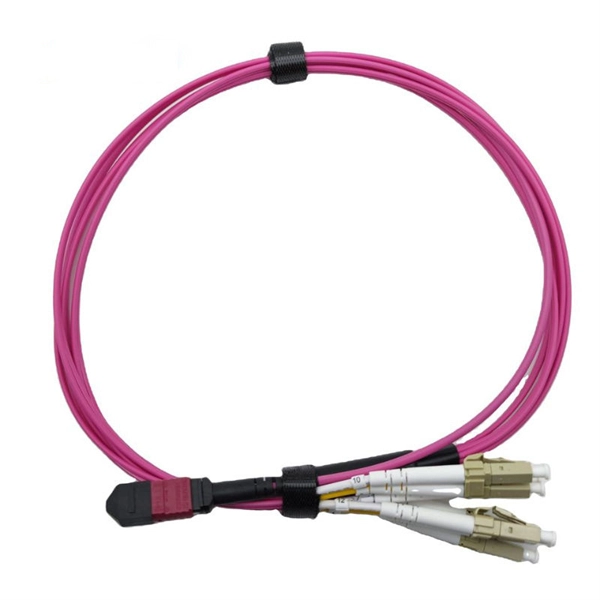
Indoor Standard Optical Cable
Equipment illustration / verify against the selected product
Indoor Optical Cable: Types, Specs & How to Choose the Right One

Not all indoor optical cables are equal. Learn the key types, real specs, and how to match the right cable to your wiring scenario—before you buy.

Indoor Fiber Optic Cables | Flame Retardant Indoor

These indoor fiber optic cables are used exclusively within buildings and must have a flame-retardant cable jacket to fit this purpose. Flame resistant cable may be

Recommendation ITU-T L.103 (08/2024)

This document outlines the recommendations for single-mode optical fiber cables used in telecommunication networks within buildings, focusing on their mechanical and environmental

The Ultimate Guide to Indoor Fiber Cable in 2025

This is where the advantages of fiber optics, specifically indoor fiber optic cable, become apparent. Offering superior bandwidth, lower latency, and

Recommendation ITU-T L.103 (08/2024)

IEC 60794-2-21:2019, Optical fibre cables – Part 2-21: Indoor cables – Detailed specification for multi-fibre optical distribution cables for use in premises cabling.

Indoor optical cable characteristics

Indoor optical cables are designed to be compatible with standard indoor ducts, trays, and cable management systems. This compatibility simplifies

Indoor Fiber Optic Cable Types: Top 12 List

Indoor cables connect devices within homes, office buildings, data centers, and other interior spaces. Selecting the right indoor optical fiber cable depends on

Optical Fiber Cables for Indoor/Outdoor Applications

ICEA-696, the optical fiber indoor/outdoor cable standard provides cable design and performance guidance that includes a tight buffer cable option in addition to loose tube and ribbon cable designs.

Fiber Indoor Cables

Explore CommScope''s Fiber Optic Cables for reliable connectivity. Our high-quality fiber optic cabling solutions ensure seamless data transmission.

what does fiber optic cable look like: 7 Powerful Facts

Discover what does fiber optic cable look like with photos, color codes, and expert tips for easy identification and safe handling.

FTTH Drop Cable Procurement: Specs, Standards

Relevant Standards for FTTH Drop Cable ITU-T G.657: Optical fiber characteristics for single-mode optical fibres and cables used in access networks

namibia-steel-tape-indoor-optical-cable

21 Companies and suppliers for namibia-steel-tape-indoor-optical-cable Find wholesalers and contact them directly Leading B2B martketplace Find companies now!

Harsh Environment Fiber Optic Cable Solutions for Extreme

Explore how to select the right fiber optic cable for challenging environments including high temperatures, extreme cold, salt spray, humidity, underground ducts, and direct burial. Learn

The FOA Reference For Fiber Optics

Fiber Optic Cable Cable Types: (L>R): Zipcord, Distribution, Loose Tube, Breakout Cable provides protection for the optical fiber or fibers within it appropriate for the

Fiber Optic Cables : See all products – Lightera

Browse our catalog of products grouped in the Fiber Optic Cables category. High quality and performance products!

Basic Fiber Optic Pigtail Kit, LSZH, 900 µm | Corning

Fiber Optic Cable Assemblies Indoor Cable Assemblies Simplex Indoor Cable Assemblies Basic Fiber Optic Pigtail Kit, LSZH, 900 µm Find a Distributor

Fiber Optic Indoor/Outdoor Cables

Our indoor/outdoor cables meet rigorous outdoor environments and can be routed indoors where flame rating applies, eliminating transition splices.

Fiber Optic Cable Types: Single-Mode, Multimode, and

Discover fiber optic cable types, including single-mode (OS1, OS2) and multimode (OM1, OM2, OM3, OM4, OM5), indoor/outdoor variants, and how

Related Video Reference

This video was associated with the source search result. Verify technical details against current product documentation and project requirements.

Specify your fiber equipment

Share the fiber interfaces, termination capacity, cable route and evidence required for handover.

Send a project brief