
Fiber infrastructure reference
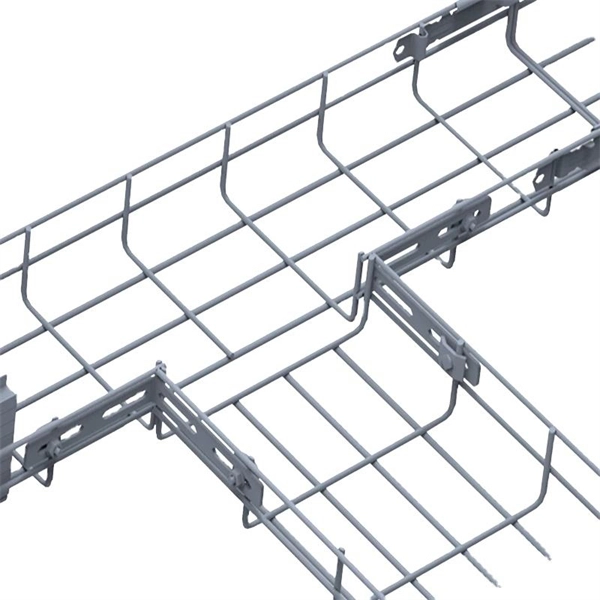
Cable Tray Sizing Calculator | IEC 61537 & NEC 392
Use this cable tray sizing calculator to check fill %, select tray size, and comply with IEC 61537 & NEC 392 with formulas, example and checklist.
Cable Tray Dimensions Guide: Standard Sizes, Tray Types & Sizing
Explore standard sizes by tray type, understand width and depth limits, and see how to calculate and choose compliant cable tray sizes for real projects.
Cable Tray Size and Dimensions: How to Choose the Right Fit for
Learn how to calculate the perfect cable tray size and dimensions for your electrical project. This guide covers load capacity, fill ratios, and industry standards.
Cable Tray Dimensions and Specifications as per NEC
The entire amount of the cross-sectional areas for all of the single conductor cables that are going to be positioned in the cable tray needs to be equal to or less than the permissible cable
Free Cable Tray Fill Calculator | NEC & IEC Compliant Sizing | Shielden
Properly sizing your cable tray is critical for safety and compliance. Our free calculator helps you determine the correct tray size based on NEC and IEC standards.
Cable Tray Size Guide: How to Choose the Right Dimensions
Cable tray width depends on cable quantity and diameter. For light applications use 50-100mm, medium duty 200-300mm, and heavy industrial applications 450-600mm.
Cable Tray Sizing
Industrial setups often require standard cable tray widths ranging from 50mm to 900mm, depending on the number and type of cables being managed. Picking the right width ensures that
Cable Tray Width, Dimensions and Specifications as per NEC
Solid bottom cable tray: The total combined diameters of the cables should not exceed 90% of the available width of the cable tray. This ensures adequate space for cable placement, reduces the risk
Cable Tray Fill Rules (NEC 392)
This guide covers the cable tray types and their appropriate applications, the fill rules for each configuration, ampacity derating requirements, separation of power and signal cables, and the
Cable Tray Size Calculation for Project Engineers
To calculate cable tray width, add the outer diameters of all cables placed side by side, include spacing between each cable, and then apply a future expansion factor.
The FOA Reference For Fiber Optics
Cable trays should not be shared with copper communications cables as their weight may harm the fiber cables. Likewise, large quantities of fiber cables in a
Essential Cable Tray Cover Fixing Accessories Explained
Ever wondered why your cable tray covers feel so loose? It''s a question I''ve faced a lot. You set up your cable trays, lay the cables, and put the
Cable Tray Installation Rules (NEC 392) – Electrical Trader
Core rules for selecting, installing, grounding, and filling cable trays—clearances, materials, separation, and bonding explained.
What is Cable Tray and How it is used in Industrial applications?
What is Cable Tray? In electrical cabling, a cable tray is a metallic structure used to handle insulated electrical power distribution, control, and communication cables. A cable tray is
How to Fix Common Cable Management Issues using
Discover common cable management problems and how cable tray accessories effectively solve them to ensure safety and performance.
unsupervised_topic_modeling/topics/en/15/100/100/topics at
Contribute to annontopicmodel/unsupervised_topic_modeling development by creating an account on GitHub.
PDF document
PDF document PDF document Read this PDF document online, download the original file, and browse related details on device.report. Additional coding instructions can be found in the Article File chapter
Cable Tray Size Chart and Selection Guide
Cable tray depth directly impacts both cable capacity and installation practicality. Deeper electrical cable tray dimensions provide greater sidewall
Related Video Reference
This video was associated with the source search result. Verify technical details against current product documentation and project requirements.