
Fiber infrastructure reference
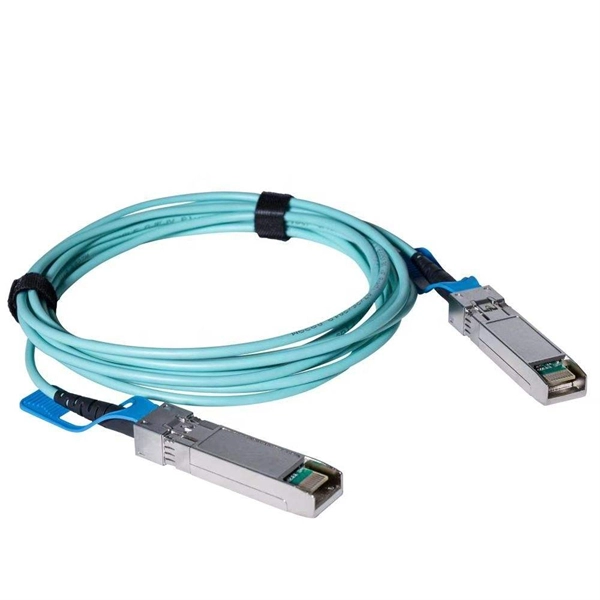
Fiber Jumpers vs. Pigtails: What''s the Real Difference? How Do They
A jumper is a complete, connectorized cable used for temporary or flexible connections between devices. A pigtail is a semi-permanent solution—it''s spliced onto another cable
Fiber Jumpers vs. Pigtails: What''s the Difference? How Do They
Your choice depends on the context. Use a jumper when you need to connect two ports—for example, linking a switch SFP port to a patch panel, or connecting two routers across a short
How to Pigtail an Outlet for a Safer Connection
This method involves connecting the circuit''s main wires to a short jumper wire, or pigtail, which then connects to the terminal of the device. This guide provides a step-by-step process for
Fiber Optic Pigtails: Uses & Differences from Patch Cords
What Is a Fiber Optic Pigtail? A fiber optic pigtail is a short length of optical fiber —typically 0.5m to 2m—that has a factory-terminated connector on
"Fiber Splicing Pigtails | Step-by-Step Guide for Beginners"
In this detailed video, we''ll walk you through the fiber optic pigtail splicing process — from preparation to final testing.
Fiber Optic Cable vs Patch Cord vs Pigtail – Complete
A pigtail is a short fiber with a factory-polished connector on one end and bare fiber on the other. You fusion-splice that bare end to a cable fiber inside
How to wire pigtails
When performing fiber jumper operations between the equipment in the cabinet and the ODF rack, first jump to the corresponding sub-ODF rack, and
Spec Sheet
Use, Care and Maintenance: This procedure is a general guide for the use, care, and maintenance of fiber jumpers sold by Siemon and is included on each fiber jumper/pigtail bag.
Fiber Optic Patch Cords & Pigtails Selection Guide
Learn how to pick the right fiber optic patch cord or pigtail. Avoid installation errors. Based on 12+ years of field experience. Step-by-step guide
Specifications and Types of Fiber Optic Jumpers and
Optical fiber jumper is a cable that is directly connected to a desktop computer or device to facilitate the connection and management of the device.
How to Pigtail an Outlet for a Safer Connection
A pigtail is a simple wiring technique used when installing electrical outlets, switches, or other devices inside a junction box. This method involves connecting the circuit''s main wires to a
The difference between optical fiber jumper and pigtail
Fiber optic jumpers are used as jumpers for equipment to fiber optic cabling links. They have a thick protective layer and are generally used for the
News & Solutions-Difference between fiber jumpers and pigtails
Pigtails are mainly used in optical communication systems, optical access networks, optical data transmission, optical CATV, local area networks (LAN), test equipment, optical sensors,
Specifications and Types of Fiber Optic Jumpers and
Because there are many types of fiber jumpers and fiber pigtails, many friends often cannot distinguish between fiber jumpers and fiber pigtails. In fact,
What is a Fiber Optic Pigtail?
Fiber pigtails refer to fiber optic cables that contain a connector at one end to connect devices and bare optical fiber at the other end for cable connection.
Single Mode Fiber Pigtails | FC, LC, SC & ST | Amerifiber
Use Cases for Singlemode Pigtail Patch Cords As noted above, multi-strand singlemode fiber pigtails from Amerifiber come with different factory connector options to meet specific operational needs. But
What Is the Difference Between Patch Cord and Pigtail?
Discover the differences between fiber optic patch cords and pigtail, including their types and uses in network installations.
Fiber Optic Cable vs Patch Cord vs Pigtail – Complete
Splice pigtails locally; patch with jumpers on the front. Key takeaway: Use pigtails to create clean, low-loss, serviceable interfaces at distribution points.