
Fiber infrastructure reference
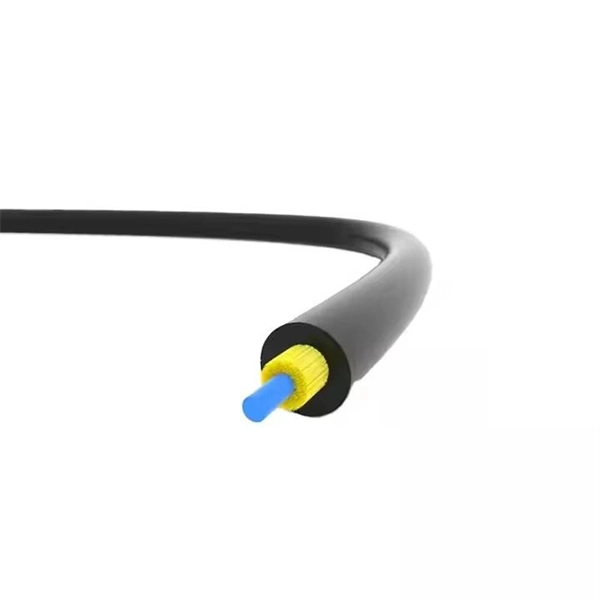
Fiber Optic Switch Guide: Definition, Connection Methods, Cabling
A practical B2B guide explaining what a fiber optic switch is, how to connect fiber optic cable to Ethernet switches, how to connect two switches with fiber, how to disconnect fiber safely,
How do you connect a switch to fibre?
By following these steps and considerations, you can effectively connect a switch to a fiber optic network, ensuring high-speed and reliable data transmission. Fiber optics offer significant
Connecting Network Switches via Fiber
When connecting terminated duplex fiber optic cable between two network switches, ensure the connections are reversed between the SFP transceiver ports (connection A to B and B to A). SFP
How to connect a new optic fibre to an ethernet switch
The objective is to run 1 or 2 additional optic fibre from the main switch down to the shed in the back of my garden and down to the garage as well. Here''s a quick sketch to present the layout
Connect Multiple Switches with Fiber Optic Cables
In this video, we''ll delve into the world of fiber optics, exploring the reasons behind their necessity, introducing Fiber Switches and Fiber PoE Switches, g...
How Do You Connect a Fiber Optic Switch? | Networking – Sivo
Ensure it''s securely connected. Connect the fiber optic cable: Attach the fiber optic cable''s connector to the transceiver module on the switch. Make sure the connector type (e.g., SC, LC)
Application Guide: Connecting Fiber-ready Network
Application Guide: Connecting Fiber-ready Network Switches Fiber optic cabling is increasingly used to connect network switches and other datacom equipment,
How to link two Network Switch with fiber cables
In this video, you will see how to link two network ports together to achieve 2G bandwidth between the switches. You even can connect more ports in parallel to achieve fast speed.
How to Connect Fiber Optic Cable to Router: A Step-by-Step Guide
However, setting up a fiber optic connection to your router can seem daunting if you''re unfamiliar with the process. In this guide, we''ll walk you through how to connect a fiber optic...
TV & Broadband Deals: Compare in July 2026
Cable TV Cable TV essentially works through a mix of underground fibre-optic-style cables. In the UK, it''s only provided by Virgin Media, which runs
Everything you need to know about fiber optic termination
Fiber Optic Termination Tutorial We terminate fiber optic cable two ways - with connectors that can mate two fibers to create a temporary joint and/or connect
Global Leader in Materials, Networking, and Lasers
Build equipment that maximizes throughput and yield using cutting-edge optics, lasers, and composite materials.
Single-mode optical fiber
The multi-fiber optical connector can be used in the creation of a low-cost switch for use in fiber optical testing. Another application is in cables delivered to a user with pre-terminated multi-fiber jumpers.
MPO Connectors Are Essential in Data Centers | Fluke Networks
Multi-fiber push on connectors, or MPOs for short, are fiber connectors comprised of multiple optical fibers. While defined as an array connector having more than 2 fibers, MPO Connectors are typically
Optical Switch Applications in Fiber Optic Sensing: FBG and DTS
In most sensing applications, switch failure means one fiber group goes offline (16–32 sensors). Unlike telecom protection (where a fiber cut causes service outage), sensing networks typically log data for
WORLD WIDE WEB JOURNAL Home
Internet communications tools Document preparation Computing industry Computing standards, RFCs and guidelines Computer crime Language types Security and privacy Computational complexity and
The FOA Reference For Fiber Optics
New network architectures have been developed to reduce the cost of installing high bandwidth services to the home, often lumped into the acronym FTTx for "fiber to the x". These include FTTC for fiber to
MTP/MPO Trunk Cables vs. Breakout Cables
MTP/MPO Breakout cables (sometimes called fanout cables) are different than trunk cables in that they use MTP/MPO connectors on one end and duplex connectors (e.g., LC, SN,
Related Video Reference
This video was associated with the source search result. Verify technical details against current product documentation and project requirements.