
Fiber infrastructure reference
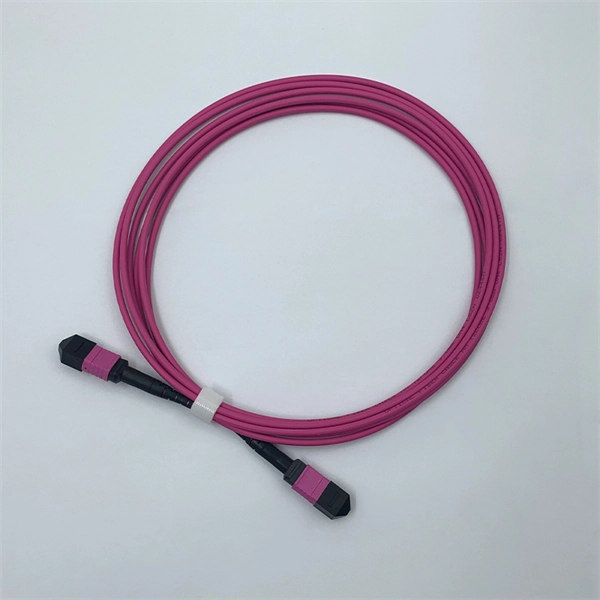
Fiber Optic Transceiver Guide | PHILISUN
At its core, a fiber optic transceiver performs bidirectional communication — sending and receiving signals over optical fibers
Step-by-Step Guide for Installing and Removing SFP
In this step-by-step guide, we will walk you through the process of installing and removing SFP transceiver modules to ensure proper handling and
SFP Transceivers in Action: Configure, Connect, and Monitor Traffic A
This quick yet practical demonstration dives into the installation, configuration, and traffic monitoring of SFP optical and twisted-pair transceivers.
Application Guide: Connecting Fiber-ready Network
Most modern fiber-enabled network switches require an SFP transceiver module featuring a duplex (two strand) multimode OM3 or duplex single mode OS2
How to Connect Fiber Optic Cables to SFP Modules | Weunion Guide
An SFP module (or optical transceiver) converts electrical signals from network devices (switches, routers) into optical signals for fiber transmission and vice versa.
Fiber Optic Transceivers: A Practical Guide for Network
Fiber optic transceivers are electro-optical devices that convert electrical signals used by network equipment (switches, routers, servers) into
Cisco SFP and SFP+ Transceiver Module Installation Notes
Learn more about how Cisco is using Inclusive Language. This installation note provides the installation instructions for the Cisco small form-factor pluggable (SFP) and SFP+ transceiver
Fiber Media Converter Installation Guide
A typical media converter has one SFP slot for optical transceivers and one RJ45 copper port. This guide covers the complete installation and troubleshooting process.
Fiber Optic Switch Guide: Definition, Connection Methods, Cabling
A practical B2B guide explaining what a fiber optic switch is, how to connect fiber optic cable to Ethernet switches, how to connect two switches with fiber, how to disconnect fiber safely,
How to Use Fiber Optic Transceivers in the Network?
So, how to use fiber optic transceivers in the network and correctly connect them to network devices such as switches and optical modules? This article will detail it for you. How to use
Network Fibre Optics: How Modern Optical Networks Work
Introduction to Network Fibre Optics Network fibre optics forms the backbone of modern internet, cloud computing, and telecommunications infrastructure across the UK and globally. Since
Cisco Optics | Transform Your Network
Get the highest quality, performance-leading optical transceivers for any network architecture. Find the transceiver model to fit your network.
Cisco 10GBASE SFP+ Modules Data Sheet
Cisco SFP+ Active Optical Cables (Figure 5) are direct-attach fiber assemblies with SFP+ connectors. They are suitable for very short distances and offer a cost-effective way to connect within
Optical Transceiver Market Size & YoY Growth Rate, 2026-2033
Ongoing transitions to higher-speed Fibre Channel standards further encourage the adoption of advanced optical transceiver solutions. For instance, in November 2025, Broadcom
Cisco 40GBASE QSFP Modules Data Sheet
Cisco QSFP-40G-SR-BD (40G BiDi) The Cisco QSFP 40-Gbps BiDirectional (BiDi) transceiver (Figure 1) is a pluggable optical transceiver with a duplex LC connector interface for short
10G Multi-Mode Optical Module
SFP+ transceiver that supports 10G connections up to 400 m using multi-mode fiber with a duplex LC UPC connector.
10G Bidirectional Single-Mode Optical Module
SFP+ transceiver that supports 10G connections up to 10 km using single-mode fiber with a simplex LC UPC connector.
Optic Modules Datasheet
Optic Modules Data Sheet SFP (form factor) = small form-factor pluggable transceiver SMF (media) = single-mode fiber-optic MMF (media) = multimode fiber-optic XFP (form factor) = 10-gigabit small
Related Video Reference
This video was associated with the source search result. Verify technical details against current product documentation and project requirements.