
Fiber infrastructure reference
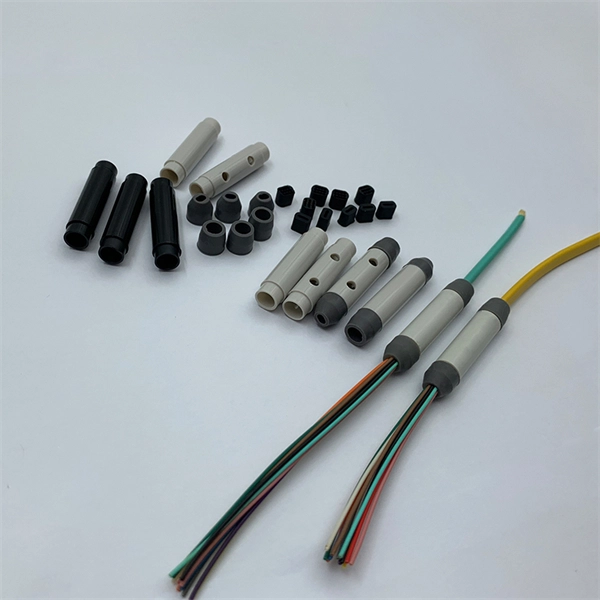
How To Test Single Mode Fiber Optic Cable
To ensure optimal performance, it is important to test single mode fiber optic cable before installation or during maintenance. Here are some steps for testing single mode fiber optic cable:
How to Test a Fiber Optic Cable: Best Methods & Tools
Learn about the common contaminants of fiber optics in today''s mission critical networks and get a detailed look at fiber testing and types of fiber testers to ensure network performance.
The FOA Reference For Fiber Optics
See the Test section of the FOA Online Guide for much more detail. After fiber optic cables are installed, spliced and terminated, they must be tested. For every fiber
Fiber Connectivity and Performance Testing
In this tech tip, we''ll cover what fiber connectivity actually is, why testing matters more than ever, and how to troubleshoot the most common fiber optic problems before they impact your
Demystifying Fiber Test Methods – Back to Basics
Effective fiber testing utilizes advanced tools such as Optical Loss Test Sets (OLTS), Optical Time-Domain Reflectometers (OTDR), and Visual Fault Locators (VFL) to diagnose and correct issues,
Fiber optic testers | Fluke
Data centers and enterprises rely heavily on optical fiber cabling to support the exploding demand for bandwidth, so being able to test its quality is critical to maximizing network performance and uptime.
What Is Fiber Optics? Definition from SearchNetworking
Types of fiber optic cables Multimode fiber and single-mode fiber are the two primary types of fiber optic cable. Single-mode fiber Single-mode fiber is used for longer distances due to the
OS1, OS2 vs OM1-OM5 Fiber Cables: Differences, Speeds, and
Explore the differences between OS1, OS2 (single-mode) and OM1, OM2, OM3, OM4, OM5 (multimode) fibers. Learn their speeds, distances, and ideal uses for data centers and telecom
Fiber Optic Cables | Fiber Patch Cables | Patch Cords, Duplex
We stand behind the craftsmanship of every fiber optic product we deliver. From Indoor / Outdoor, Single mode & Multimode to Mode Conditioning and SFP Transceivers.
Guidelines On What Loss To Expect When Testing Fiber Optic Cables
Guidelines On What Loss To Expect When Testing Fiber Optic Cables To be able to judge whether a fiber optic cable plant is good, one does a insertion loss test with a light source and power meter and
Fiber Optic Cable Supplier, Distributor
Stocking distributor of fiber optic installation tools, bulk fiber cables, fiber patch cables, test equipment, cable management, fiber optic training and more.
Fiber Optic Cable Speeds: Everything You Need to Know
Single-mode fiber optic cables are used for long distance communication, while multimode fiber optic cables are used for short distance
StarTech 25m (82ft) LC to SC (UPC) OS2 Single Mode Duplex Fiber
OS2 LC to SC Single Mode Duplex Fiber Optic Patch cable facilitates connectivity across 100G networks. It supports Coarse Wavelength Division Multiplexing (CWDM) across an extended
The Ultimate Fiber Optic Cable Size Reference Chart
Choosing the Right Fiber Size for Your Application Selecting the correct fiber optic size for your specific application is crucial to ensuring optimal performance, durability, and scalability.
8 Best OTDR Fiber Optic Testing Equipment (June
Discover the 8 best OTDR fiber optic testing equipment (June 2026). Our expert reviews highlight reliable, high‑performance tools for accurate fiber
G.657.A2 Bend-Insensitive Single-Mode Optical Fiber
Explore G.657.A2 bend-insensitive single-mode optical fiber for FTTH, dense indoor routing, compact terminal boxes, and drone fiber or FPV tether systems. Learn
The Fiber Optic Association
Optical Fiber System Test Procedures (OFSTPs) OFSTP-2 - Effective Transmitter Output Power Coupled into Single-Mode Fiber Optic Cable OFSTP-3 - Fiber Optic Terminal Equipment Receiver
Blog: Cabling Chronicles | Fluke Networks
Tier 1 fiber testing best practices for duplex VSFF connectors To support higher cable density in data centers, very small form factor (VSFF) duplex fiber connectors are gaining ground. Some test
Related Video Reference
This video was associated with the source search result. Verify technical details against current product documentation and project requirements.