
Fiber infrastructure reference
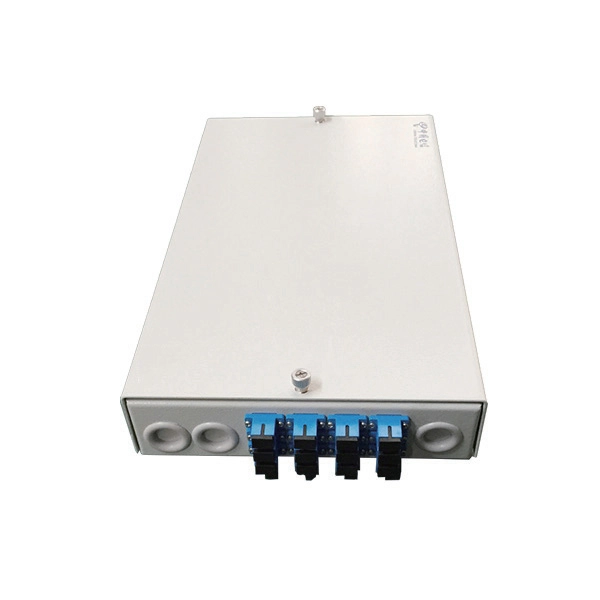
How to Install and Remove Optical Modules Safely
Install optical modules safely with ESD protection, proper handling, and dust control. Follow these steps to avoid damage and ensure network reliability.
Fiber Optic Installation Process: Complete Guide (2025)
This beginner-friendly guide will walk you through the step-by-step process of fiber optic cable installation for each method, highlighting best practices, tools, and considerations.
Master Your Fibre Optic Installation: Step-by-Step Best Practices
This comprehensive guide delves into the intricacies of fiber optic installation, exploring topics ranging from cable types and pre-installation considerations to execution, safety protocols,
Fiber Optic Cable Installation and Handling Instructions
The information contained in this manual should serve as a guide to proper handling, installing, testing, and for troubleshooting problems with fiber optic cables.
2090-QR001D-EN-P, Fiber Optic Cable Installation Quick Guide
The information contained in this manual should serve as a guide to proper handling, installing, testing, and for troubleshooting problems with fiber optic cables.
Installing Fibre Optics: A Step-by-Step Guide for Everyone
Fibre optics offers fast, reliable internet using light signals. This guide covers installation from tools to testing, ensuring a smooth, high-performance setup for all users.
Be Your Own Technician: DIY Fiber Optic Installation Guide
In the spirit of self-reliance and technical mastery, we''ve crafted this detailed guide to empower you to take control of your own network by installing fiber optic cables yourself.
How to Lay 4 Core Optical Fiber Cable | OFC Laying Step by
In this video, we explain how to lay 4 core optical fiber cable (OFC) step by step. Learn the proper OFC laying method, tools required, and techniques used in fiber optic cable...
Fiber Optic Cable Installation Method Statement
Below is given the fiber optic cable installation method statement for performing the installation of optical fiber cabling system for any kind and size of project.
How to Install Fiber Optic Cable: 7 Essential Tips in 2024
Learn how to install fiber optic cable underground with our comprehensive guide. Discover techniques, tools, and tips for efficient installation.
Essential Installation Techniques for Optical Fiber Cables
Discover the essential installation techniques for optical fiber cables, including trenching, direct burial, aerial, and indoor methods. Learn about
The FOA Reference For Fiber Optics
Fiber optic cable may be installed indoors or outdoors using several different installation processes. Outdoor cable may be direct buried, pulled or blown into
How to Install an Optical Cable Step by Step
Learn how to install optical cable correctly, from choosing the right fiber type to terminating, cleaning, and testing your connection safely.
OPTICAL FIBRE CABLES INSTALLATION GUIDE
The objective of this document is to be an optical fibre cable installation and laying guide, addressed to new installers, also being useful as a reminder to experienced installers. We should always consider
The FOA Reference For Fiber Optics
Use Of Cable Ties Fiber optic cables, like all communications cables, are sensitive to compressive or crushing loads. Cable ties used with many cables, especially when tightened with an installation tool,
Fiber Optic Cable Installation Do''s and Don''ts
Welcome to our comprehensive guide on Fiber Optic Cable Installation Do''s and Don''ts! In this video, we''ll cover the essential guidelines for installing fiber optic cables, helping you avoid
How Is Fibre Optic Cable Installed? | Step-by-Step Guide
Fibre optic technology uses thin strands of glass or plastic, known as optical fibers, to transmit data as pulses of light. Fibre optics sends information using light,
Fiber Optical Cable Installation and Construction
The optical cable crossing the river is left on the adjacent pole of the first pole on the riverbank: the joint should be left on the joint pole, and each joint
Related Video Reference
This video was associated with the source search result. Verify technical details against current product documentation and project requirements.