
Fiber infrastructure reference
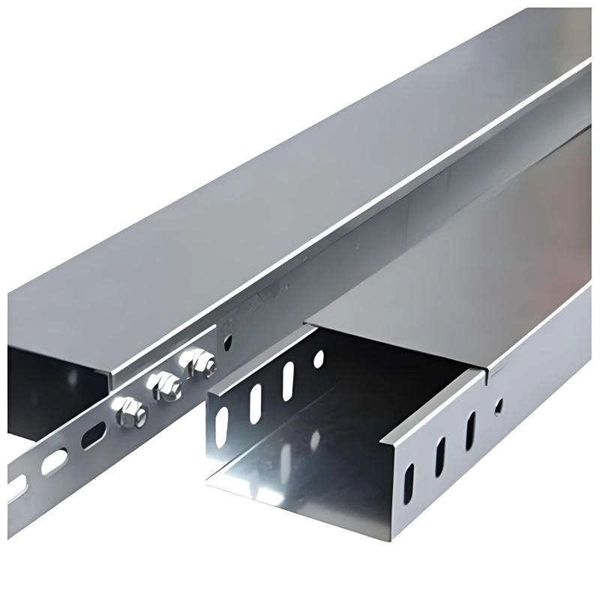
Cable Tray Installation
Learn everything about cable tray installation with our complete guide. Discover types, steps, and safety tips for efficient electrical cable management.
Cable Tray Installation and Maintenance Considerations
Learn about effective Cable Tray Installation and Maintenance. Get practical tips for planning, fitting, and looking after your cable trays.
Best Practices for Installing Cables in Trays
Learn the best practices for installing cables in trays. This guide covers essential steps, technical requirements, and key details for efficient cable
A Guide to Installing and Supporting Electrical Cable Trays
This guide covers the critical steps, from selecting the right electrical cable tray and performing accurate cable fill calculations to managing a safe cable pull through
Mastering Cable Tray Installation | Step-by-Step Guide for a Seamless
Mastering cable tray installation is crucial for creating a safe, organised, and efficient cable management system. By following this step-by-step guide, you can ensure a seamless setup that
Installation Of Cable In Cable Trays: NEC, Safety
Cable tray layout must take into consideration the design limits of the cable. To minimize damage and verify integrity after installation, follow the practices outlined in cable handling and
Cable Tray Installation Guidelines | PDF | Galvanization
The document outlines steps for laying cables, including installing supports, fixing the tray, laying cables with proper spacing, and tying them with cable ties.
Beama Best Practice Guide | Installation Of The Cable | Cable Tray
Where expansion joints are present in the cable tray or cable ladder installation, provision must be made for the cable to expand and contract correspondingly. This is usually achieved with a loop in the
Master Cable Tray Installation: A Professional Step-by-Step Guide for
Learn how to install cable trays for large-scale projects with our professional, step-by-step guide covering industry standards, safety protocols, and efficient routing techniques.
Method Statement For Cable Pulling and Final Electrical Connections
This procedure covers the method for all the cable pulling, electrical connections and terminations for cables running on cable ladders and cable trays. Electrical method also covers all associated cables
How to Install a Fiber Optic Termination Box (FTTH Steps)
Installing a fiber optic termination box correctly is not just about mounting a box on the wall. It requires careful planning of port count, tray layout, cable entry, splicing, labeling, and testing.
How Cable Cleats Protect Electrical Infrastructure from Damage
Learn the importance of cable cleats in preventing cable movement, enhancing safety, and maintaining efficient electrical installations.
How To: Install Fiber Optic Cable for Success – trueCABLE
The actions of installing and servicing copper cables located in the same cabinet can put the fiber cables at risk for damage. So what''s the take-away from this? Best practice is to: Avoid
Cable Tray Dimensions Guide: Standard Sizes, Tray Types & Sizing
Explore standard sizes by tray type, understand width and depth limits, and see how to calculate and choose compliant cable tray sizes for real projects.
Cable Tray Joint / Cable Ladder Joint
How the Adjustable Horizontal Side Joint Is Installed In general, joints must be designed not only to bear the weight of the cables but also to be easy to install, and easy to remove when needed — for
The Ultimate Guide to Selecting the Right Cable Tray for Your Project
In the intricate world of modern infrastructure and electrical systems, selecting the right cable management solution is pivotal to the success of any project. Cable trays, with their ability to
100+ Essential Questions Answered About Cable Trays:
Discover over 100 expert answers about cable trays, covering key topics like material selection, load capacity, installation methods, and maintenance.
Outdoor Fiber Installation Practices Explained for 2025
Outdoor fiber installation in 2025 requires weatherproof methods, FOA standards, and smart planning for reliable, scalable high-speed connections.
Related Video Reference
This video was associated with the source search result. Verify technical details against current product documentation and project requirements.