
Fiber infrastructure reference
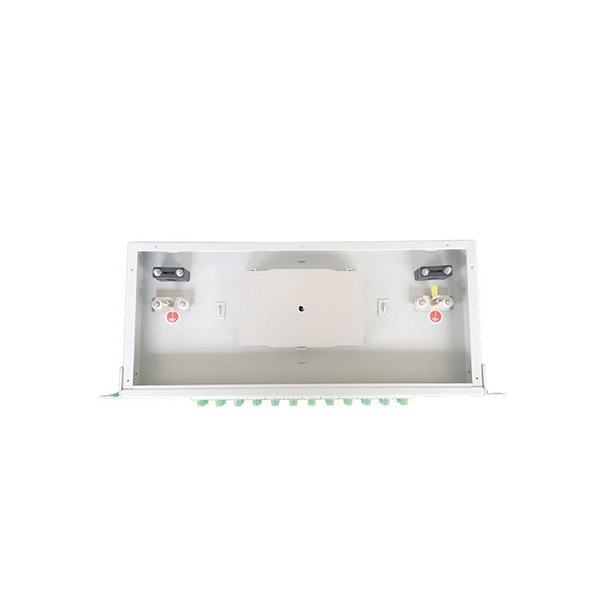
How to test the quality of the coupler and optical fiber adapter
Perform a visual inspection of the coupler and fiber adapter to check for any visible defects, such as scratches, cracks, or contamination. Ensure that the connectors are clean, aligned
How to Check Optocoupler with Multimeter? – A Simple Guide
From basic circuit design to complex industrial systems, accurate optocoupler verification ensures reliability and safety. This guide will break down the process into manageable steps,
Fiber Optics inspection, cleaning and testing
There are three main principles that needs to be taken in consideration for an efficient optical connection: a perfect core alignment, perfect physical contact and dirt-free connectors.
Fiber Endface Inspection – connectors, bare fiber ends,
Always inspect a fiber endface again after cleaning or repairing. Cleaning attempts often fail (e.g. due to left-over contaminants, or attracting dust through static
How to Test Optocoupler with Digital Multimeter? Quick & Easy Guide
We will cover the basics of optocoupler operation, explain how to identify the pins, and detail the step-by-step procedures for various tests. We''ll also delve into common issues and
Inspecting And Cleaning Connectors FOA-8
Inspect after cleaning to ensure proper cleaning. Reclean and inspect as necessary until the connector is acceptable. Wet. Dry. See FOA Guide Reference (QR Code) for more details.
INSPECTION AND CLEANING PROCEDURE
This document was established by Optical Cable Corporation to assist hardware installers, service personnel, and field service technicians with proper instructions on inspection and cleaning techniques.
InsPectInG & cleanInG MultI-FIber OPtIcal cOnnectOrs
Visual inspection is the only way to determine if fiber connectors are truly clean before mating them. The JDSU video fiber inspection probe and handheld display system is used to quickly and easily inspect
How to Test an Optocoupler in Seconds! | Easy Electronics Hack ⚡
Test your optocoupler in seconds! ⚡ Learn a simple way to check if it''s working or dead using a multimeter.
Cleaning and inspection fiber optic connectors
In principle, it must be inspected and cleaned anyone who dissolves or establishes an optical connection!
The FOA Reference For Fiber Optics
Testing Fiber Optic Couplers, Splitters Or Other Passive Devices A passive device used to split or combine signals on fiber optics may be called a splitter, combiner or coupler, but splitter is the most
Ansys Optics
Fiber Bragg Grating Hydrogen Sensor Multisection DFB laser with partially corrugated gratings Multiphysics Simulation of Distributed Fiber Optic Sensors (DFOS) for Strain Detection Modeling
How to test the quality of the coupler and optical fiber adapter
Testing the quality of couplers and optical fiber adapters is crucial to ensure reliable and efficient connections in fiber optic networks. Here are some methods commonly used to test the
Inspection and Cleaning Procedures for Fiber-Optic Connections
This document describes inspection and cleaning processes for fiber optic connections. It is important that every fiber connector be inspected and cleaned
Fiber Optic System Testing Tutorial
The passive fiber optic link may include the following components: 1) fiber optic cable, 2) fiber optic connectors, 3) fiber optic adapters, 4) fiber optic splices and 5) fiber optic “hardware” (housings and
How To Test Opto-coupler (Find Bad Opto-coupler)
How To Test Opto-coupler (Find Bad Opto-coupler) October 03, 2017 Electronic Components Test Opto-coupler: opto-coupler, photo-coupler, or optical-isolator, is a component that
Optocoupler Tester Circuit: Build, Test & Troubleshoot
Build a simple DIY optocoupler tester circuit with two LEDs and a 3.7V battery. Test 4-pin and 6-pin optocouplers instantly, no instruments needed. Full diagram included.
INSPECTION AND CLEANING PROCEDURE
Any contamination in the fiber optic connection can cause failure of the component or complete failure of the entire system. This document was established by Optical Cable Corporation to assist hardware
Related Video Reference
This video was associated with the source search result. Verify technical details against current product documentation and project requirements.