
Fiber infrastructure reference
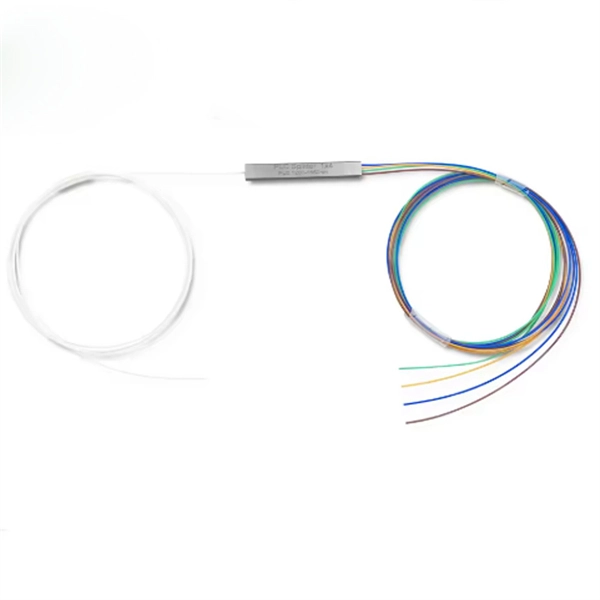
Fiber Optic Cable Types: Single-Mode, Multimode, and
Discover fiber optic cable types, including single-mode (OS1, OS2) and multimode (OM1, OM2, OM3, OM4, OM5), indoor/outdoor variants, and how
Fiber Optic Cable Types Explained
Learn all about the differences between single mode and multimode cables, as well as the various fiber wavelengths and standard core sizes used in fiber optics.
How to Tell if Fiber is Multimode or Singlemode: A Comprehensive
So, to cut right to the chase, you can generally tell if fiber is multimode or singlemode by examining the cable''s jacket color, looking for printed markings on the jacket, checking the connector
Fiber Color Code: The Ultimate Guide to TIA-598 Standards
Outdoor Cables: Remember, they''re black. Don''t assume it''s single-mode; always read the legend. Manufacturer Variations: Some vendors use custom colors (e.g., magenta for OM4).
Single-Mode Fiber Cable Guide: Types, Specs & Selection
This guide has provided a comprehensive overview of Single-Mode Fiber Optic Cable, covering essential technical concepts, practical applications, and industry best practices.
Fiber Optic Color Code: The Ultimate TIA-598-C Guide
Master the TIA-598-C fiber optic color code standard. Read our complete guide and use our free interactive calculator to easily identify 1-144 core cables.
How to Tell the Difference Between Single Mode and
Knowing how to tell the difference between single mode and multimode fiber is crucial for network efficiency; the core distinction lies in the
Single Mode vs. Multimode Fiber: Core Differences and Selection Guide
How do you choose between single mode and multimode fiber? Compare their differences in core size, light source, bandwidth, transmission distance, and cost to identify the right application.
How to know if my fiber cable is single mode?
An Optical Time-Domain Reflectometer (OTDR) is key for identifying if a fiber cable is single-mode. By measuring light reflections in the fiber, it pinpoints its characteristics.
Single Mode vs. Multimode Fiber Optic Cables
Single mode cables are typically made with a single strand of glass at their core, leading to a narrower core of the cabling, and more robust signal integrity over greater distances.
Users Guide To Fiber Optic System Design and Installation
When designing or installing fiber optic cabling, the contractor can either design to cabling standards, which allows use with any network or communications system designed for those standards, or for a
Fiber Optic Cable Types: A Complete Guide
The plethora of fiber optic cable types can seem overwhelming, but choosing the right cable for the job is important. Read on to learn what fiber optic
unsupervised_topic_modeling/topics/en/15/100/100/topics at
Contribute to annontopicmodel/unsupervised_topic_modeling development by creating an account on GitHub.
Network Fibre Optics: How Modern Optical Networks Work
Introduction to Network Fibre Optics Network fibre optics forms the backbone of modern internet, cloud computing, and telecommunications infrastructure across the UK and globally. Since
Fiber Optic Cable Assemblies | Fiber Patch Cords and Fiber
Corning offers the most complete line of connectors and factory-terminated cables, from single-fiber patch cords to high-fiber-count assemblies.
Fibre optic patch cords — SC/APC, LC/UPC, OS2, OM3/OM4
OS2 single-mode and OM3/OM4 multimode fibre optic patch cords: simplex, duplex, reinforced outdoor and transparent. Compatible with all routers (Orange, SFR, Bouygues, Free) and all SFP/SFP+
Understanding and Selecting Optical Fibre and Cable
OPTICAL FIBRE – SINGLE MODE Fibre optics or optical fibre refers to the technology that transmits data as light pulses along a glass fibre. These products are extensively used for high-performance
PDF document
PDF document PDF document Read this PDF document online, download the original file, and browse related details on device.report. Additional coding instructions can be found in the Article File chapter
Related Video Reference
This video was associated with the source search result. Verify technical details against current product documentation and project requirements.