
Fiber infrastructure reference
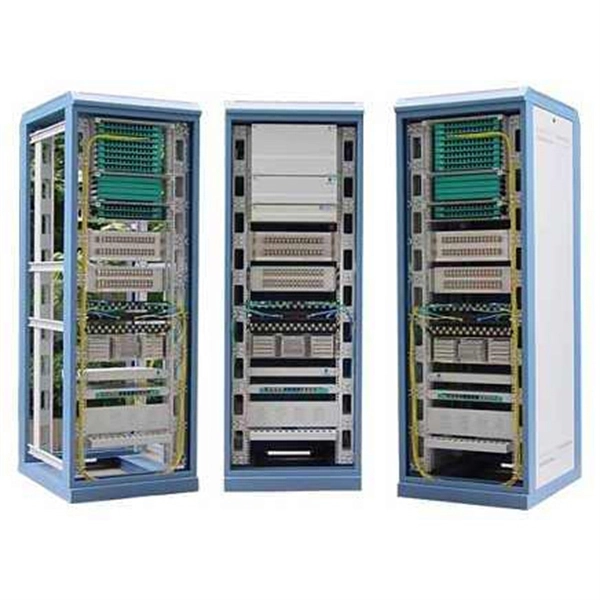
Cable Identification System Best Practices for Fiber Optic Networks
Cable identification best practices for fiber optic networks: use TIA-606-B standards, durable labels, and thorough documentation for reliable management.
Understanding the fiber optic network diagram and its relation with
Fiber optic network diagrams represent the architecture and connectivity of fiber optic systems, and their design philosophy integrates technical, functional, and conceptual aspects. The
The FOA Reference For Fiber Optics
These include FTTC for fiber to the curb, also called FTTN or fiber to the node, FTTH for fiber to the home and FTTP for fiber to the premises, using "premises" to include homes, apartments, condos,
Fibre network mapping: a comprehensive guide
Fibre network mapping is a critical process in the planning, deployment, and management of fibre optic networks. It involves creating a detailed visual representation of a fibre network''s geographical
What Is a Cable Node and How Does It Work?
The cable node acts as the bridge between a cable operator''s high-speed fiber-optic network and the residential connections. Although often unseen, mounted high on utility poles or
How to identify a specific fibre connection in a bird''s nest of fibre
In a bundle of fiber optic cables, finding a specific fiber can be tricky because there are so many packed together. Now, technicians use special tools and methods to reduce the risk of...
The Four Key Components of Ftth Network Design: Explained
A network map defines fiber optic cable routes, distinguishes backbone network from distribution network and fiber drops, defines the exact placement of network assets – nodes,
The FOA Reference For Fiber Optics
This includes location of cables and services, avoiding electrical service, sprinklers, invisible pet fences, etc. where installed, etc. All customer premises techs need some training on these codes and know
Fiber Data | Lit Buildings | Data Centers | Fiber Maps
As one of the leading fiber location databases, FiberLocator conveniently provides you with detailed maps and information on hundreds of carriers, thousands of data centers and hundreds of thousands
Fiber-optic cable
A fiber-optic cable, also known as an optical-fiber cable, is an assembly similar to an electrical cable but containing one or more optical fibers that are used to carry
Demystifying Fiber Test Methods – Back to Basics
Demystifying Fiber Test Methods – Back to Basics Fiber Optic Cable Testing Methods Fiber optic networks are the backbone of modern telecommunications, providing high-speed data transmission
Fiber Optics and Types
Fiber optic cables are used for long-distance and high-performance data networking. They are capable of transmitting data over longer distances and at higher bandwidths (data rates) than
Fiber Color Code: Complete Guide to Mastering Identification
Understand fiber color codes and their meanings in this comprehensive guide. Learn more about outer fiber jacket color, inner cable organizational fiber color code, and the connector
How do I identify a fiber cable?
5. Use a Fiber Optic Identifier A fiber optic identifier can detect the presence of signals in the fiber without disrupting the transmission. It can help confirm if the cable is active and identify the direction
Fiber Optic Cable Color Code: Complete Installation
The Fiber Optic Association promotes standardized color coding systems that enable consistent identification across different manufacturers and
How to identify our fiber optic cable
This video will help you understanding different ways to identify your fiber optic cables and connectors, this video was the result of a customer who approached to our California location with his
The FOA Reference For Fiber Optics
Fiber Optic Network Design Jump To: The Communications System Cabling Design Choosing Transmission Equipment Planning The Route Choosing Components Cable Plant Link Loss Budget
InstallGuide
Tight buffered fiber optic cable contains fiber with a soft 900-micron diameter coating that protects the fiber and is color-coded for identification. Simplex, Zip Cord: Tight buffered fibers are cabled with
Related Video Reference
This video was associated with the source search result. Verify technical details against current product documentation and project requirements.