
Fiber infrastructure reference
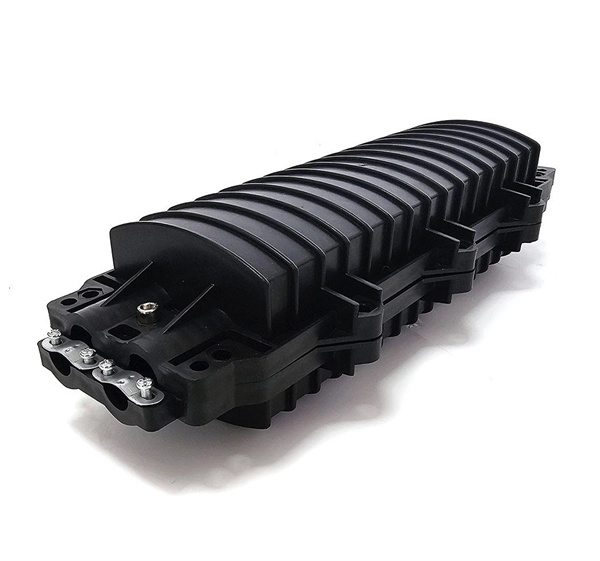
Ethernet Fiber Switch: Comprehensive Guide to Networking Power
Ethernet fiber switches are built with high switching capacities to manage multiple high-speed connections without bottlenecks. Bandwidth requirements will vary depending on the switch type and
How Much Wattage Does A Network Switch Use
These switches, available in various port configurations, have an average wattage consumption ranging from 20 to 40 watts, catering to the increased data throughput demands of
Powered Fiber Cable Solutions | Distance and Wattage
Many of these devices require hundreds to thousands of watts of power, and in many cases this power has to be run hundreds or thousands of feet back to the main distribution frame (MDF) rooms or
Fiber Optic Switch: A Comprehensive Guide
There are three main types of fiber optic switches: mechanical, solid-state, and acousto-optic. Each of these types has its own advantages and disadvantages, depending on the specific
Power Over Fiber – optical delivery of power, photonic power, optical
Typical transmitted powers are some hundreds of milliwatts or a few watts, but there is no principal reason why one should not be able to transmit much more, such as dozens or even hundreds of
Fiber Optic Network Switches | Ethernet to Fiber Switches
Our Ethernet network switches with fiber ports comes in managed or unmanaged formats combined with both Industrial and Commercial grades. Utilize our PoE switches to power your Ethernet devices
Measuring Power in dB and dBm
While a light bulb may put out 100 watts, most fiber optic sources are in the milliwatt range (0.001 watts), so you won''t feel the power coming out of a fiber and it''s generally not harmful.
How Many Watts Does a Modem Use? – UDPOWER
A typical stand-alone cable/DSL/fiber modem uses about 5–15 watts, and even an all-in-one gateway with Wi-Fi is usually under ~20 W. See measured examples in The Power Consumption
Introduction to Optical Fibers, dB, Attenuation and Measurements
This document is a quick reference to some of the formulas and important information related to optical technologies. This document focuses on decibels (dB), decibels per milliwatt (dBm),
Energy usage of your internet equipment
The chart below provides information about the energy efficiency of Small Network Equipment (SNE) models, such as internet modems and routers, that have been purchased or sold through to
Fiber Optic Switches and Their Uses
Moving fiber switches of the type that Liteway, Inc. manufactures have a number of advantages compared to electrical ones. A moving fiber optic switch physically moves the light beam within an
How Many Watts Fiber Optic Modem Use A Day?
Fiber Optics Is A Sustainable Choice for High-Speed Internet A fiber optic modem''s power consumption, typically ranging between 5 to 10 watts, is a testament to
Ethernet Fiber Switch: Comprehensive Guide to Networking Power
1.2 Purpose and Functionality The primary purpose of an Ethernet fiber switch is to route and manage data efficiently between networked devices. By using fiber optic technology, these switches enable
Ethernet Fiber Switch: Integrating Optics in Network Tech
Discover the power of Ethernet fiber switches in optimizing network performance. Find the best options for your network setup with our expert guide.
How Many Core In Fiber Optic Cable Do I Need
For example, if you have three optical fiber access switches, you need to have three cores. (actually use a four core optical cable) This is because apart
Acceptable Light Levels for Fibers and the Optical Power Budget
The acceptable light levels for fiber optic communications are dependent on the optical power budget and receiver sensitivity--learn more in our brief article.
Unlocking the Power of Fiber Switches: A Comprehensive Guide to
Jason Reeves Fiber switches play an essential role in the architecture of the latest virtual data networks, providing high capacities, better network operability, and excellent dependability. With
Powered Fiber Cable Solutions | Distance and Wattage
Corning''s powered fiber cable experts provide information about the distance, wattage considerations that drive power decisions.