DOLPHIN FIBERNetwork equipment for Africa Send a project enquiry
Fiber network equipment / Technical library Optical reference library

How are gigabit multimode optical modules

Jump to a section
Source context

AI source overview

Gigabit multimode optical modules enable high-speed data transmission over short distances using multimode fiber, converting electrical signals into light and back to support reliable network connectivity.

Function and Operation

Gigabit multimode optical modules are designed to convert electrical signals into optical signals, transmit them over multimode fiber, and then decode them back into electrical signals at the receiving end, facilitating high-speed communication within buildings, campuses, or data centers (CablingInstall.com). They typically operate at 850 nm wavelengths for multimode fiber, which is optimized for short-range, high-bandwidth applications (CablingInstall.com). These modules are hot-pluggable, allowing network administrators to install or replace them without powering down equipment, enhancing flexibility and uptime (CablingInstall.com).

Applications

Gigabit multimode optical modules are widely used in: Enterprise and campus networks: Connecting switches, routers, and servers over short distances, often within the same building or across a campus (Wikipedia). Data centers: Supporting top-of-rack, leaf-spine, and server-to-switch connections, where high port density and reliable 10Gbps performance are critical (L-P.com). Fiber-to-the-desk deployments: Extending fiber connectivity closer to end users while maintaining high-speed links (CablingInstall.com).

Module Types and Standards

Common gigabit multimode optical modules include: GBIC (Gigabit Interface Converter): Traditional module for Gigabit Ethernet, larger in size.

SF

P (Small Form-Factor Pluggable): Smaller, more compact, and increasingly replacing GBICs, allowing higher port density (CablingInstall.com).

XF

P and SFP+: Designed for 10GbE applications, with SFP+ optimized for short-range multimode fiber links (Huawei Technical Support). These modules comply with standards such as IEEE 802. 3 for Ethernet and Fibre Channel standards, ensuring interoperability across devices and networks (CablingInstall.com).

Multimode Fiber Compatibility

Gigabit multimode optical modules are paired with multimode fibers (MMF), which have larger core diameters (50–62. 5 µm) allowing multiple light modes to propagate simultaneously (Wikipedia). Different multimode fiber types—OM1, OM2, OM3, OM4, and OM5—support varying distances and bandwidths, with OM3 and OM4 being optimized for VCSEL-based 10G links in modern data centers (Network-Switch.com).

Typical reach for 10GbE SR modules is up to 300 meters over OM3 and 400 meters over OM4 fiber (L-P.com). AdvantagesCost-effective: Multimode modules and fibers are less expensive than single-mode solutions for short distances (Huawei Technical Support). High bandwidth: Supports gigabit and multi-gigabit speeds suitable for enterprise and data center applications (Wikipedia).

Flexibility: Hot-swappable modules allow easy upgrades and network reconfiguration (CablingInstall.com). In summary, gigabit multimode optical modules are essential components for short-range, high-speed optical networks, providing reliable, cost-effective, and flexible connectivity in enterprise, campus, and data center environments. They bridge electrical and optical domains, enabling efficient data transmission over multimode fiber while supporting modern network architectures.

Research context

Reference summary

Multimode Fiber Types: OM1 vs OM2 vs OM3 vs OM4 vs OM5 Multimode fiber is a common choice to achieve 10 Gbit/s speed over distances required by LAN enterpr.

From reference to enquiry

Questions for your project

Use these editorial prompts alongside the linked excerpts. They identify items to confirm for your project.

Detailed reading / connection to installation

Fiber infrastructure reference
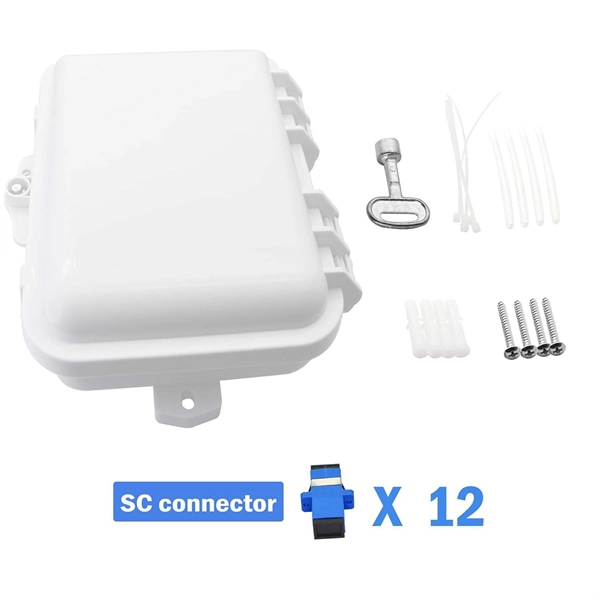
How are gigabit multimode optical modules
Equipment illustration / verify against the selected product
Multimode Fiber Types: OM1 vs OM2 vs OM3 vs OM4 vs OM5

Multimode fiber is a common choice to achieve 10 Gbit/s speed over distances required by LAN enterprise and data center applications. There are several kinds of multimode fiber types

What Is a 1G Multimode SFP? SX Optics and MMF Design

Discover what a 1G multimode SFP is, how 1000BASE-SX works, and when to use short range fiber modules for reliable Gigabit Ethernet connections.

Optical Module Working Principle | SFP Transceiver Technical Guide

Learn the complete working principle of optical modules (SFP transceivers), including TOSA/ROSA components, laser types, temperature compensation, and more. Weunion''s high

Multimode Fiber: OM1 to OM5 – MapYourTech

This comprehensive guide explores the five primary categories of multimode fiber—designated as OM1, OM2, OM3, OM4, and OM5—each representing progressive

Gigabit SFP Module: A Complete Guide to 1G SFP Transceivers

This guide focuses on what a gigabit SFP module is, how it works, the main types available, and how to choose the right one for your network.

Small Form-factor Pluggable

Quad Small Form-factor Pluggable (QSFP) transceivers are available with a variety of transmitter and receiver types, allowing users to select the appropriate transceiver for each link to provide the

Single-Mode Vs Multimode Optical Modules: Detailed Differences

Choosing between Single Mode and Multimode Optical Modules will shape cost, reach and upgrade paths. This guide breaks down practical differences—core geometry, wavelengths, connector types,

The Ultimate Guide to SFP Modules (2026): Types, Speeds

Read the definitive 2026 guide on SFP modules. We explain Single Mode vs Multimode, DDM diagnostics, and how to choose the right transceiver for Cisco, Juniper, and more.

Single Mode vs. Multimode Fiber: Core Differences and Selection Guide

How do you choose between single mode and multimode fiber? Compare their differences in core size, light source, bandwidth, transmission distance, and cost to identify the right application.

StarTech Cisco SFP-10G-SR-S Compatible SFP+ Module

StarTech Cisco SFP-10G-SR-S Compatible SFP+ Module - 10GBASE-SR - 10GbE Multimode Fiber MMF Optic Transceiver - 10GE Gigabit Ethernet SFP+ - LC 300m - 850nm - DDM Cisco Firepower,

SFP modules – transceivers for 1/2/4G fibre channel

SFP – small form factor – pluggable modules for various optical data communications such as Fast Ethernet, Gigabit Ethernet, BiDi, SDH Sonet and 4G.

Cisco 10GBASE SFP+ Modules Data Sheet

Product overview The Cisco® 10GBASE SFP+ modules (Figure 1) give you a wide variety of 10 Gigabit Ethernet connectivity options for data center, enterprise wiring closet, and service provider transport

How Far Can Multimode Fiber Optic Cables Transmit?

Fiber optic technology is the backbone of modern high-speed communication networks, enabling the transmission of data over vast distances

StarTech 10 Pack Cisco GLC-SX-MM Compatible SFP Module

StarTech 10 Pack Cisco GLC-SX-MM Compatible SFP Module (10 Pack) - 1000BASE-SX - 1GbE Multimode Fiber MMF Optic Transceiver - 1GE Gigabit Ethernet SFP - LC 550m - 850nm - DDM

Startech Arista Networks QSFP-40G-SR4 Compatible QSFP+ Module

Buy Startech Arista Networks QSFP-40G-SR4 Compatible QSFP+ Module, 40GBASE-SR4, 40GbE Multimode Fiber MMF Optic Transceiver, 40GE Gigabit Ethernet QSFP+, MPO Connector, 150m,

StarTech Extreme Networks 10303 Compatible SFP+ Module

StarTech Extreme Networks 10303 Compatible SFP+ Module - 10GBASE-LRM - 10GbE Multimode Fiber MMF Optic Transceiver - 10GE Gigabit Ethernet SFP+ - LC 200m - 1310nm - DDM (10303-ST)

Active Optical Module Market Research Report 2034

Active Optical Module market valued at $10.7 billion in 2025, projected to reach $35.6 billion by 2034 at 14.2% CAGR, driven by data center expansion and 5G deployment.

Cisco 40G QSFP+ Transceiver Modules – Network Warehouse

The Cisco 40G QSFP+ transceiver modules portfolio offers customers a wide variety of high-density and low-power 40 Gigabit Ethernet connectivity options.

Related Video Reference

This video was associated with the source search result. Verify technical details against current product documentation and project requirements.

Specify your fiber equipment

Share the fiber interfaces, termination capacity, cable route and evidence required for handover.

Send a project brief