
Fiber infrastructure reference
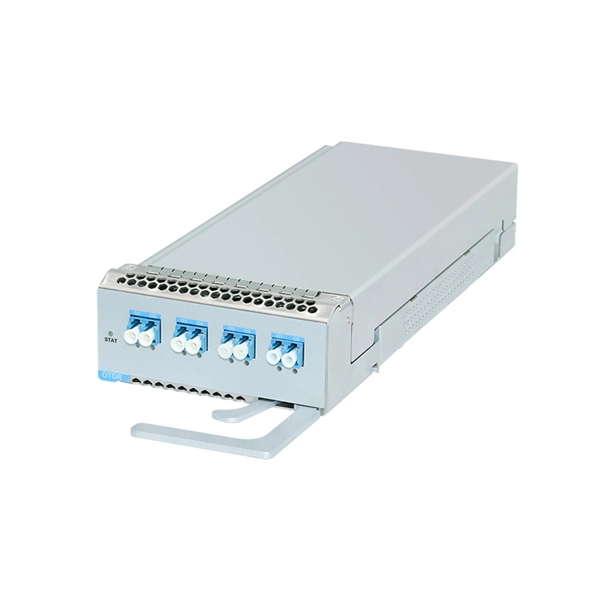
The Key Differences Between 1-core, 2-core, Single Mode, and
Single Mode fibers have a smaller core, allowing light to travel in a single, straight path, ideal for long distances with less signal loss. Multi-mode fibers have a larger core, allowing...
Single-mode optical fiber
OverviewCharacteristicsHistoryConnectorsFiber optic switchesQuadruply clad fiberExternal links
Unlike multi-mode optical fiber, single-mode fiber does not exhibit modal dispersion. This is due to the fiber having such a small cross section that only the first mode is transported. Single-mode fibers are therefore better at retaining the fidelity of each light pulse over longer distances than multi-mode fibers. For these reasons, single-mode fibers can have a higher bandwidth than multi-mode fibers. Equipment for single-mod
Single Mode vs. Multimode Fiber: Core Differences and Selection Guide
Single mode fiber typically has a core diameter of about 9 µm, which allows only one mode of light to propagate. In contrast, multimode fiber has a larger core, usually 50 µm or 62.5 µm,
Understanding Single Mode Fiber Optic Cable: A
The main differences between single-mode and multimode fiber are in their core size, performance, and applicability. Single-mode fiber has a smaller
Single-Mode Fiber Cable Guide: Types, Specs & Selection
What Is Single-Mode Fiber Optic Cable? Single-mode fiber optic cable (SMF) is a type of optical fiber designed to carry a single ray of light mode directly down the fiber core.
Single Mode (SM) Fibers | Coherent
Robustly Single-mode PM Er/Yb Co-doped LMA Fiber for High Power Applications We demonstrate a large core diameter PM Er/Yb fiber incorporating a unique
24 Core Single Mode Fiber Optic Cable Single Tube
Features: Single Mode Design: With a core-to-core diameter of 9/125µ, single mode fiber technology provides high bandwidth and long range. Various Core Counts: Options of 4, 8, 12, and 24 cores to
Gigabit single-mode single-core fiber optic module
Gigabit single-mode single-core optical fiber modules usually have the following specifications: multi-mode 550m, single-mode 15km, 40km, 80km, 120km, etc. In addition to the
SC FC Carrier Grade Single Core Fiber Optic Pigtail 20M Extension
SC-FC Carrier Grade Single-Mode Single Core Pigtail 20M Extension Cable Fiber Optic Pigtail Product description Sc-fc optical fiber jumper (also known as optical fiber connector) refers to that connector
Single Mode vs Multimode Fiber, What is The Difference?
What is single mode fiber? Single mode fiber, short as SMF, is a fiber cable that only allows one mode of light to transmit. Typically, this fiber includes a small light-carrying core of about
Single Mode Fiber
Single Mode Fiber: 320 to 430 nm Thorlabs'' SM300 fiber consists of an undoped, pure silica core surrounded by a depressed, fluorine-doped cladding and dual acrylate coating.
i-Net Networks 2000m 4-Core Singlemode Fiber Optic Cable, G652.D
Description for i-Net Networks 2000m 4-Core Singlemode Fiber Optic Cable, G652.D 9/125 Steel Armored Single Loose Tube LSZH (GYXTW) | RASLL-09-04
Types of Optical Fibers: Single-Mode vs. Multimode,
In fibers with very small cores and carefully chosen refractive-index contrast, only a single spatial mode can exist, leading to uniform propagation and
4-Core Single mode Fiber Optic Cable
4-Core Single mode Fiber Optic Cable also called 4-core Optical fiber cable,is a type of communications optic cable which has the same transmission speed as
Single Mode Fiber Optic Cables |
Find premium single mode fiber optic cables for high-speed data transmission. 20 years of expertise and worldwide delivery.
The Ultimate Guide to Fiber Optic Cables – Types, Standards, and
Discover how to choose the right fiber optic cables for your network. Learn about fiber types, cable constructions, connectors, and industry standards — plus expert recommendations from
Singlemode vs Multimode Fiber Optic Cable
We breakdown the differences between single mode and multimode fiber optic cable, covering aspects like physical structure, bandwidth over distance, and typical integration in networks.
Single-mode Fibers
We explain the criterion for single-mode guidance, the influence of the core size, launching light into a single-mode fiber, and how to achieve large mode areas.
Related Video Reference
This video was associated with the source search result. Verify technical details against current product documentation and project requirements.