DOLPHIN FIBERNetwork equipment for Africa Send a project enquiry
Fiber network equipment / Technical library Optical reference library

Heat dissipation methods for intelligent power distribution cabinets

Jump to a section
Source context

AI source overview

Efficient heat dissipation in intelligent power distribution cabinets combines passive and active cooling, sensor-based control, and advanced heat insulation mechanisms to maintain optimal operating temperatures and ensure equipment reliability. Key Heat Dissipation Methods1. Passive Cooling (Natural Convection) Passive cooling relies on natural airflow to remove heat.

Ventilation grilles or slots are installed at the bottom and top of the cabinet, allowing warm air to rise and exit while cooler air enters from below. This method is energy-efficient, low-noise, and suitable for environments with moderate heat loads and clean air conditions. Proper component placement, such as the "hot top" principle, ensures that high-heat devices like drives are positioned near exhaust vents for optimal heat removal.

2. Forced Ventilation (Fans and Filtered Airflow) Active cooling uses fans or filter fans to increase airflow inside the cabinet. This method is effective for higher heat loads and can maintain temperatures closer to ambient levels.

Fans can be thermostat-controlled to operate only when needed, reducing energy consumption and extending component life. Regular maintenance of filters is essential to prevent airflow obstruction and maintain efficiency. 3.

Air Conditioning and Heat Exchangers For cabinets in high-temperature environments or with tight sealing (IP54 or higher), industrial air conditioners or air/water heat exchangers are used. These systems remove heat via a closed loop, protecting sensitive components from dust and moisture. Heat exchangers can handle very high heat loads, often several kilowatts, and are suitable for dusty or harsh industrial environments.

4. Integrated Heat Absorption and Storage Systems Advanced designs incorporate heat-conducting covers, barrels, and heat-conducting liquids or oils. These systems can switch between heat insulation and dissipation modes, storing heat when necessary and releasing it efficiently when cooling is required.

Cooling fins submerged in heat-conducting liquids enhance heat transfer, while seal cavities filled with conductive oil improve thermal management. 5.

Sensor-

Based Thermal Management Intelligent cabinets integrate temperature and humidity sensors (e.g., RG-1002HT) connected to controllers (e.g., FX1N-10MT) to monitor internal conditions. These sensors can trigger hydraulic rods, fans, or other cooling devices automatically, ensuring precise temperature control and preventing overheating. Advanced electronic controllers can manage both temperature and humidity simultaneously, optimizing energy use and extending equipment life.

6. Material and Structural Considerations High thermal conductivity materials, heat dissipation sheets, and reinforced cabinet structures improve heat transfer from internal components to the exterior. Proper sealing balances environmental protection with thermal efficiency, preventing dust and moisture ingress while allowing effective heat removal.

Best Practices

Calculate total heat load from all components to select appropriate cooling methods. Avoid blocking airflow with dense wiring or poorly arranged components. Use thermostats and hygrostats to automate fan and heater operation.

Consider retrofitting existing cabinets with passive or active cooling enhancements to improve reliability and reduce energy costs. By combining these methods, intelligent power distribution cabinets can maintain safe operating temperatures, reduce the risk of component failure, and improve overall system reliability.

Research context

Reference summary

WO2021253462A1 Disclosed is an efficient heat dissipation power distribution cabinet for an intelligent power grid. The efficient heat dissipation power di.

From reference to enquiry

Questions for your project

Use these editorial prompts alongside the linked excerpts. They identify items to confirm for your project.

Detailed reading / connection to installation

Fiber infrastructure reference
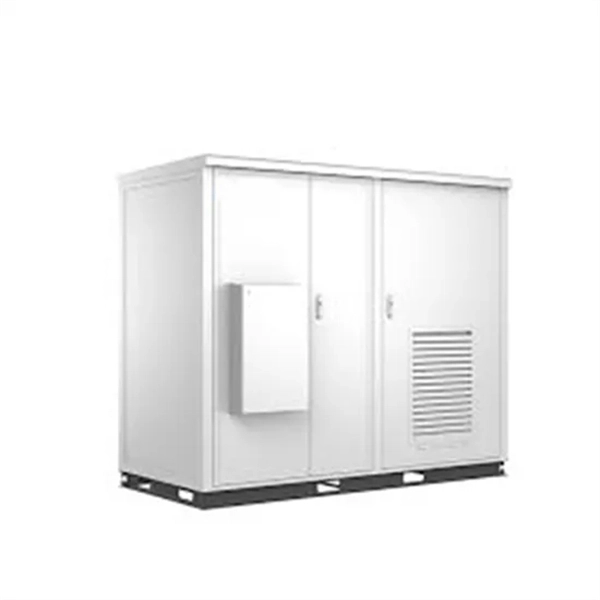
Heat dissipation methods for intelligent power distribution cabinets
Equipment illustration / verify against the selected product
WO2021253462A1

Disclosed is an efficient heat dissipation power distribution cabinet for an intelligent power grid. The efficient heat dissipation power distribution cabinet comprises a...

Temperature management in electrical enclosures and

Here is a comprehensive guide to methods and principles for maintaining optimal thermal conditions in enclosures. Why does temperature

Power distribution cabinet having intelligent heat dissipation function

The invention discloses a power distribution cabinet with an intelligent heat dissipation function, including an intelligent radiator, a box body, a wiring board, a lightning arrester,...

Passive Heat Dissipation Optimization of Smart PDUs in Telecom

You can optimize passive heat dissipation in your Smart Power Distribution Units to reduce noise and boost reliability. The table below shows how passive cooling strategies help you

Passive Heat Dissipation Optimization of Smart PDUs in Telecom

Optimize passive heat dissipation in Smart Power Distribution Units to reduce noise and improve energy efficiency. Implement natural convection and smart cabinet designs to manage heat

Electrical Cabinet Ventilation and Cooling Solutions: From Fans to Air

Discover how to design electrical cabinet cooling solutions. Compare natural ventilation, fans, heat exchangers, and air conditioners. Learn best practices for reliable panel operation.

The Perfect Climate Inside Your Enclosure

For example, a processor is cooled with a heat sink (heat conduction), which is often also equipped with a fan (forced convection). A variety of solutions are available to help ensure that the ideal operating

Heat Dissipation in Electrical Enclosures; FanBlower Selection

Overheating can shorten the life expectancy of costly electrical components or lead to catastrophic failure. The following discussion applies to gasketed and unventilated enclosures.

Thermal Field Simulation of Influence of Internal Heat Dissipation in

Through thermal source emulation and parametric analysis, the effects of fan positioning and airflow velocity on temperature distribution and their correlation with device thermal behavior can be

Cooling Electrical and Server Enclosures: Active vs Passive Methods

Discover how to manage heat in electrical and server enclosures using active and passive cooling. Eabel''s guide covers in-rack cooling, heat load calculation, and how to select the

Heat Dissipation in Electrical Enclosures; FanBlower

2 informaTion Thermal heaT DissipaTion managemenT in elecTrical enclosures T DissipaTion in sealeD elecTrical enclosures The accumulation of heat in an enclosure is potentially damaging to

Thermal Field Simulation of Influence of Internal Heat Dissipation in

Thermal Field Simulation of Influence of Internal Heat Dissipation in Power Cabinet on Power Device Temperature Abstract: With the trend toward high-power and miniaturized electronic devices, thermal

Electrical Cabinet Ventilation and Cooling Solutions:

Discover how to design electrical cabinet cooling solutions. Compare natural ventilation, fans, heat exchangers, and air conditioners. Learn best

Design and Implementation of Automatic Cooling Case Based on High-Power

The design of existing small electronic thermal methods ignores high-temperature and high-load environment tests without automation control. To solve these problems, a heat dissipation

Thermal Management

Heat Generation and Dissipation Efficient thermal management is crucial for maintaining the reliability and efficiency of isolated solutions. Having a grasp on the origins of heat and employing strategies to

Thermal Analysis of Electronics Cabinet

With the increased power density of individual modules, the need to understand and control the passive dissipation of thermal energy in an enclosed cabinet has come under increased focus.

Heat Flow Field Analysis on Heat Dissipation Features of High

To fill the gap, this paper carries out a heat flow field analysis on the heat dissipation features of high-wattage power cabinets. Out of the multiple power electronic device groups in a

Design Tools

the program itself the basics of heat dissipation and how to find this parameter for different devices the dimensioning of the climate system in the electrical cabinet

Specify your fiber equipment

Share the fiber interfaces, termination capacity, cable route and evidence required for handover.

Send a project brief