
Fiber infrastructure reference
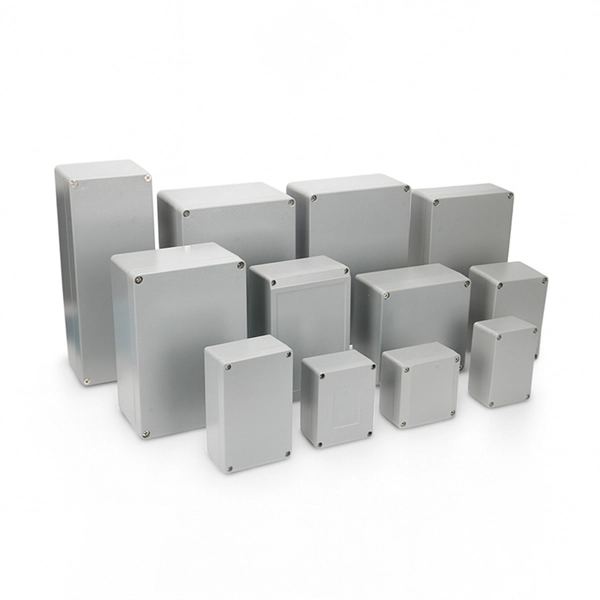
Problems and Precautions in the Operation of Distribution Boxes
Outdoor low-voltage distribution boxes: essential equipment facing operational challenges like overheating & lightning damage. Learn practical solutions for improved reliability and safety.
Hazard Investigation Of Long-term Operation Of Small Power
By conducting a detailed hazard investigation of the small power distribution units (SPDU), potential safety issues can be identified and addressed in a timely manner, ensuring the stable operation of
Electrical Installation Risk Assessment | PDF | Personal
This risk assessment document summarizes the hazards, existing controls, additional controls needed, and residual risk levels associated with the installation of distribution boards and junction boxes.
Distribution Box Installation Methods, Dust Hazards, and Safety Risks
Distribution box hazards pose serious risks to life and property, demanding high vigilance. Key issues include: Electric Shock Risk: Low resistance between the power source and ground or
Temporary Power Safety: Distribution Boxes + Industrial Waterproof
In the next sections we''ll walk through common construction power hazards, explain why industrial waterproof plugs and rugged temporary electrical boxes matter, and give practical
Detailed explanation of arc fault hazards and protection measures in
Your distribution box, the unsung hero of your home''s electrical infrastructure, has just suffered an arc fault. While it sounds dramatic, this scenario happens more often than you might
Regular maintenance checklist: ensuring safe and reliable operation of
Neglect them, and you''re inviting trouble: power outages, fire hazards, even dangerous electrocution risks. Think of your distribution box like your car''s engine.
Electrical Power Distribution Box Safety
The distribution box is designed to protect against overloads and short circuits, which are basically electrical meltdowns waiting to happen. Without it, your house would be a constant fire hazard.
Temporary Power Safety on Construction Sites: Best Practices Using
Temporary power systems are essential for construction projects, yet they often introduce serious safety risks. Loose wiring, exposed connectors, and unstable electrical connections can
20 Types of Safety Hazards in the Warehousing and Distribution Industry
Safety hazards are a significant concern in the warehousing and distribution industry, where workers are exposed to various risks on a daily basis.
Detailed explanation of arc fault hazards and protection measures in
Even small residential distribution boxes can generate explosions equivalent to several sticks of dynamite, launching molten copper shrapnel through walls. Radiation Burns Standing within
21 Examples Of Electrical Hazards And How To Prevent
Examples of electrical hazards covers all activities and situations that could pose electrical risk to persons exposed to them. Lets see the examples;
Guardians of Safety: A Comprehensive Guide to Electrical Boxes
Stringent electrical codes and regulations govern the design and installation of electrical boxes. This commitment to compliance ensures that power distribution systems meet established safety and
Complete Guide For Distribution Boxes Types
Distribution boxes, also known as electrical distribution boards or panels, are pivotal components in electrical systems, ensuring the safe and organized distribution of electrical power throughout
Design requirements and standards for low voltage distribution boxes
Key Takeaways Always prioritize safety by following NEC and IEC standards for low voltage distribution boxes. Check voltage and current ratings to ensure the distribution box can
Small Distribution Box: Advanced Electrical Protection with Smart
The small distribution box incorporates multiple layers of safety features that set new standards in electrical protection. The unit''s construction utilizes double-insulated materials that provide enhanced
Electricity and health | ARPANSA
The scientific evidence does not establish that exposure to the electric and magnetic fields found around the home, the office or near powerlines causes health effects.
How to Install a Distribution Box—A Comprehensive
Distribution boxes contain many protective devices like circuit breakers, fuses, and isolator switches to distribute and regulate power from the