
Fiber infrastructure reference
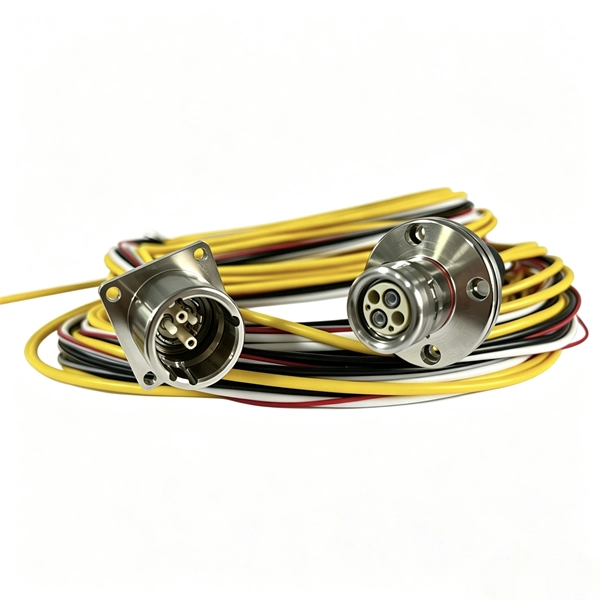
Cable Core
Cable core is defined as the component in which optical fibers with a secondary coating are rejoined together, typically achieved by stranding the fibers or tubes around central elements that also serve
Understanding the Components of Optical Fiber Cables:
In this article, we will discuss the core, cladding, buffer coating, strength member, and protective outer jacket of Optical Fiber cables, and explore their importance
Basic Components of a Fiber Optic Cable – trueCABLE
Because it offers both mechanical and thermal protection for the optical fibers that are included within a fiber optic cable, aramid yarn plays a significant role in the overall process of
Essential Guide to Fiber Optic Cable Components: What They Are
The main components of a fiber optic cable are the core (which carries the light signals), cladding (which reflects light back into the core), buffer coating (protects the fiber), and jacket (provides protection
What Is a Fiber Optic Cable Core and How Does It Work?
The core is the heart of a fiber optic cable. Learn what it''s made of, how it traps light, and why its size and design shape signal speed and quality.
Fiber optic cable types, works, and functions
Core, cladding, buffer, strengthener, and outer jacket are the components of a fiber-optic cable. The outer coat, strengthener, and buffer
An Overview Of Optical Fiber Cable Structure And Components
A fiber cable contains up to hundreds of incredibly thin glass fiber cores within protective layers. Surrounding layers cushion from crushing
How the Core of a Fiber Optic Cable Works
Capacity demands driven by artificial intelligence and cloud computing are pushing new innovations. These include Multi-Core Fiber (MCF), which places multiple independent cores within a
Optical Fiber Structure: Core, Cladding, and Coating
Mechanical protection: Prevents micro-bends, moisture, and scratches. Color coding: Identifies fibers in cables (e.g., orange for multimode,
Optical Fibers Fundamentals | MEETOPTICS Academy
The core is surrounded by a cladding, which is typically made from the same material as the core, but with a slightly lower index of refraction. The cladding
Anatomy of a Cable – Optical Fiber
With an increased emphasis on protecting digital information, however, optical fiber has become more cost-competitive over the last few years. The ability of fiber optic cable to meet the
All You Need to Know About Fiber Optic Cable Core
Understand the structure, types, performance and maintenance of the fiber optic cable core — from single/multi-mode to common faults and solutions.
An Overview Of Optical Fiber Cable Structure And
An optical fiber cable is a complex structure designed to protect fragile glass fibers that transmit digital data using light signals. This advanced cabling solution
Computer network
Optic fibers can be used for long runs of cable carrying very high data rates, and are used for undersea communications cables to interconnect continents. There are
Fiber Optic Cable Components & Materials: Complete
Fiber optic cables have taken the position as the major transport medium in modern high-speed communication systems. In addition to this, they
Core (optical fiber)
The core of a conventional optical fiber is the part of the fiber that guides the light. It is a cylinder of glass or plastic that runs along the fiber''s length.
What is the purpose of each layer of fiber optic cables?
To appreciate the ingenuity of these cables, consider the core, which is the heart of the cable, responsible for transmitting light signals with minimal loss. Surrounding it, the cladding reflects
The Anatomy of a Fiber Optic Cable | ADD
Strengthening Fibers Every fiber optic cable is reinforced with strength-enhancing fibers, protecting the core from straining or being crushed during installation.
Related Video Reference
This video was associated with the source search result. Verify technical details against current product documentation and project requirements.