
Fiber infrastructure reference
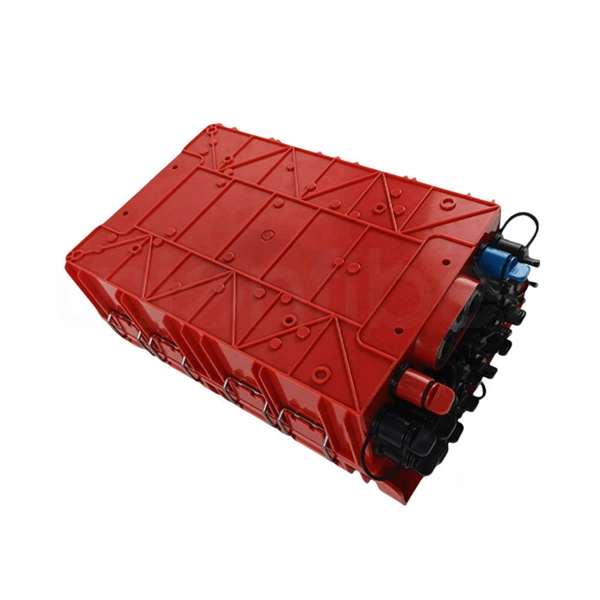
Fiber Optic Splicing Types, Methods, and Applications
Fiber optic splicing plays a vital role in modern communication networks by enabling seamless connections between fiber optic cables. This technique ensures high
Complete Guide to Fiber Optic Connectors and Splicing
Fiber optic connectors allow temporary or semi-permanent connections that can be easily disconnected, while fiber optic splicing involves permanently joining two fibers, either through
What is Fiber Optic Cable Splicing?
Fiber Optic Cable Splicing is the method of joining two fiber optic cables together. Termination is the other, more frequent way of linking fibers. Fiber splicing is the preferred way when
Fiber optic splice modules installation explained: How
Splice modules Fiber optic installation is the heart of any professional fiber optic infrastructure. They protect and organize the sensitive connection
Understanding Fiber Termination Techniques: Splicing vs. Connectors
Understanding the difference between splicing and connectors is essential for designing an efficient and reliable fiber optic network. While splicing offers unmatched performance and
Principle of Fiber Optic Splicing: A Detailed Guide
Fiber optic splicing is the process of joining two fiber optic cables to create a continuous optical path. This is essential for
Optical Fibre Splices, Couplers and Connectors | PPTX
It explains the differences between mechanical and fusion splices, types of connectors (including SC and LC), and various couplers and splitters used to direct light signals.
Fiber Optic Cable Splice: The Complete Guide
Unlike connectors, which allow temporary links, a fiber optic cable splice fuses fibers for minimal signal loss—e.g., 0.1 dB vs.
Tutorial Passive Fiber Optics, Part 6: Fiber Joints
Various optical components such as fiber couplers and laser diodes are often sold with fiber “pigtails”. This means that some fiber hangs out of the device, and the user may splice that to some other fiber,
The FOA Reference For Fiber Optics
Fiber optic joints or terminations are made two ways: 1) splices which create a permanent joint between the two fibers or 2) connectors that mate two fibers to
What is the Splicing of Optical Fibers & Their Techniques
To overcome the disadvantages of optical fiber connectors, the splicing of optical fibers is used to maintain permanent connections between the two optical fiber cables. The fiber optic cables of
Optical fiber connector
An optical fiber connector is a device used to link optical fibers, facilitating the efficient transmission of light signals. An optical fiber connector enables quicker
What is Fiber Optic Cable Splicing?
If too much heat is applied to melt the fiber optic cable for termination, the connection will become brittle and cannot be used for a long time. Fusion splicing causes significant up-front costs of
The FOA Reference For Fiber Optics
Fiber optic joints or terminations - where cables are terminated - are made two ways: 1) connectors that mate two fibers to create a temporary joint and/or connect the fiber to a piece of network gear (left) or
Fiber Optic Connectors Figure 1
Fiber-to-fiber interconnection can consist of a splice, a permanent connection, or a connector, which differs from the splice in its ability to be disconnected and reconnected. Fiber optic connector types
The Ultimate Guide to Splicing of Fiber: Techniques and Tips
Looking to understand fiber splicing? It''s the process of joining two fiber optic cables using techniques such as fusion splicing and mechanical splicing, crucial for maintaining
Fusion-splice basics
Fusion splicing is used for joining cables during network installation projects, repairing cables, mounting pre-polished splice-on connectors, and
Optic splice, connector, and coupler
If the connected fibers have different optical properties, such as different numerical apertures, core and cladding diameters, and refractive index profiles, then coupling losses may increase. Q.1 Which fiber
Related Video Reference
This video was associated with the source search result. Verify technical details against current product documentation and project requirements.