
Fiber infrastructure reference
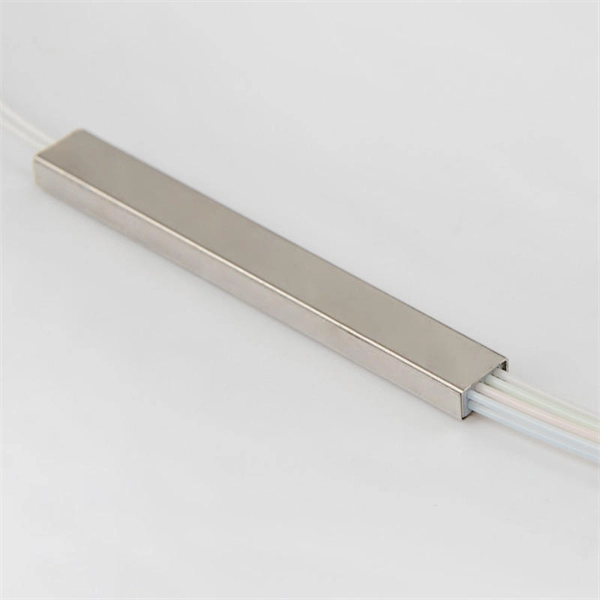
Wavelength Division Multiplexing – WDM, coarse,
Wavelength division multiplexing is a multiplexing technique working in the wavelength domain. It is commonly used in the area of optical fiber
Wavelength Division Multiplexing
Wavelength division multiplexing (WDM) is a technique of multiplexing multiple optical carrier signals through a single optical fiber channel by varying the wavelengths of laser lights.
Understanding Wavelength Bands in Fiber Optic
Explore fiber optic wavelength bands, tech evolution, and trends. See how LINK-PP modules support key wavelengths for efficient data transmission.
Wavelength Division Multiplexers (WDM)
What is Wavelength Division Multiplexing (WDM)? Wavelength Division Multiplexing (WDM) is a technique in fiber-optic communication systems that enables multiple optical signals with different
Optical Wavelength Bands Explained: Definition, Classification and
This article introduces the concept of optical wavelength bands, explains how they are classified, explores how WDM (Wavelength Division Multiplexing) uses them to increase capacity,
What is Wavelength Division Multiplexing (WDM): A
Wavelength Division Multiplexing (WDM) is a fiber optic transmission technique that combines multiple optical signals at different wavelengths into a
Wavelength Division Multiplexing (WDM) | Springer Nature Link
Wavelength division multiplexing or WDM allows the combining of a number of independent information-carrying wavelengths onto the same fiber, because of the wide spectral
How Wavelength Division Multiplexing (WDM) Works
Discover how Wavelength Division Multiplexing (WDM) uses light to exponentially increase data transmission capacity in fiber optics.
WAVELENGTH-DIVISION MULTIPLEXING OPTICAL NETWORKS
Unlike a wavelength router that routes wavelength from input fibers onto output fibers in a static manner, a FSS is a configurable device that can take any wavelength from any input fiber and switch it onto
What is an Optical Transceiver? – VCELINK
The optical network plays an important role in enabling reliable and efficient communication in modern network systems. A typical fiber optic network
Polarization-Maintaining Dense Wavelength Division
A Polarization-Maintaining Dense Wavelength Division Multiplexer (PM-DWDM) is a device that enables the simultaneous transmission of multiple wavelengths of light while preserving
Fiber Optic Cable Types | Omnitron Systems Guide
Wavelength division techniques for increased bandwidth FAQs About Fiber Optic Cable Types WHAT IS THE DIFFERENCE BETWEEN SINGLE MODE AND
Tapered Wavelength Division Multiplexer Market Size Growth
Tapered Wavelength Division Multiplexers (TWDM) enable efficient bandwidth utilization by combining multiple wavelengths into a single optical fiber, making them vital for high-capacity networks.
Wave Division Multiplexers | WDM, CWDM, DWDM | FIBERONE
FIBERONE® offers a complete line of wavelength division multiplexers, including WDM, CWDM, and DWDM modules. These wavelength division multiplexers enable fiber optic networks to mux or
The Fused Fiber Optic WDMs Market Growth Study Provides a
The Fused Fiber Optic Wavelength Division Multiplexing (WDM) market is witnessing significant growth, driven by the increasing demand for high-speed data transmission and the
Fiber Optic Filter Market Growth to Accelerate by 2035 Amid Rising
Fiber optic filters, including bandpass, edge, notch, and gain flattening types, are critical components in ensuring signal integrity, reducing noise, and enabling high-capacity wavelength
HTF DWDM equipment,OTN Solution,QSFP28 OSFP
HTFuture offers industry-leading fiber optic products and WDM system solutions with global recognition for excellence and innovation.
What is WDM or DWDM?
Wavelength Division Multiplexing (WDM) is a fiber-optic transmission technique that enables the use of multiple light wavelengths (or colors) to send data over the same medium. Two or more colors of
Related Video Reference
This video was associated with the source search result. Verify technical details against current product documentation and project requirements.