
Fiber infrastructure reference
Optical fiber
OverviewManufacturingHistoryUsesPrinciple of operationMechanisms of attenuationPractical issuesSee also
Glass optical fibers are almost always made from silica, but some other materials, such as fluorozirconate, fluoroaluminate, and chalcogenide glasses as well as crystalline materials like sapphire, are used for longer-wavelength infrared or other specialized applications. Silica and fluoride glasses usually have refractive indices of about 1.5, but some materials such as the chalcogenides can have indices as high as 3. Typically th
Fiber Optic Outlet Box: Indoor FTTH Wall Outlet
The fiber optic outlet box, also known as an indoor optical outlet or optical telecommunication outlet, serves as the final termination point in FTTH/FTTD
Smooth, Corrugated, Split Wall Fiber Innerducts & Couplings
PVC indoor riser rated, PVDF indoor plenum rated, HDPE OSP outdoor rated innerducts & couplings for fiber cable installation. Corrugated, smooth or split wall types.
Understanding Fiber Innerducts: A Comprehensive Guide
Discover how fiber innerducts are utilized and how they are involved in the planning, installation, or management of fiber optic systems.
Fiber Optic Innerduct: Types, Selection, and Installation in Industrial
Fiber optic innerduct types, sizing, and installation guide: HDPE, smooth-wall, and plenum FEP options for industrial conduit infrastructure.
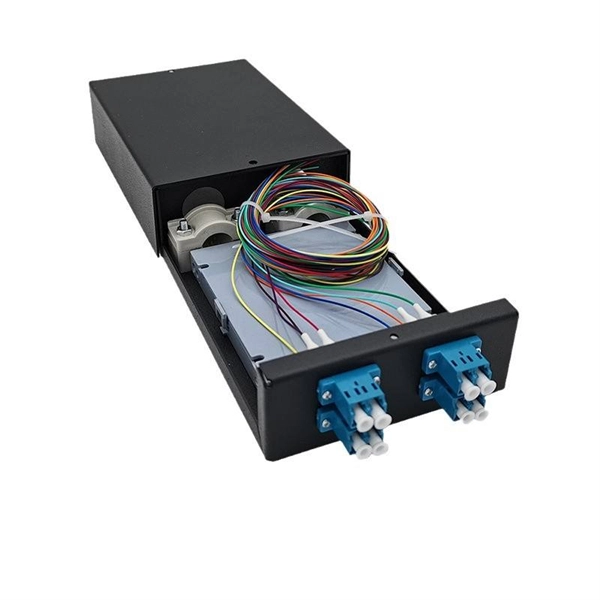
HTB8067 24 Port Indoor Fiber Optic Distribution Box for
DESCRIPTION The HTB8067 24 Port Indoor Fiber Optic Distribution Box is designed for clean, efficient cross-connection between outdoor backbone
What''s the "right" way to lay fiber here?
I''ve decided to finally make the move to using fiber optic internally. I''ve done enough research to know what hardware I need for everything, what
Optical fiber
An optical fiber, or optical fibre, is a flexible glass or plastic fiber that can transmit light from one end to the other. Such fibers are widely used in fiber-optic
How does fiber optics work?
An easy-to-understand introduction to fiber optics (fibre optics), the different kinds of fiber optic cables, and how light travels down them.
Fiber-optic communication
Modern fiber-optic communication systems generally include optical transmitters that convert electrical signals into optical signals, optical fiber cables to carry the
HDPE Innerduct: Insights for Fiber Optic Applications
Discover the advantages of HDPE innerduct for fiber optic cable protection and management. Durable, flexible, and ideal for conduit installations. Contact us!
The FOA Reference For Fiber Optics
Optical Fiber Fiber Optics is the communications medium that works by sending optical signals down hair-thin strands of extremely pure glass or plastic fiber. The light is "guided" down the center of the
What Is Fiber Optics? Definition from SearchNetworking
Learn how fiber optics works and why fiber is a common alternative to copper cabling. Also explore the advantages and disadvantages of optical fiber.
Let''s talk about Fiber
Additionally, adding fibers in the future without significant construction saves money over time. Ease of Installation and Maintenance: Microducts facilitate the easy installation of fiber optic
Use innerduct to protect fiber cables inside buildings
A cost-effective way to protect your fiber-optic cable from being damaged in the TC, while also preventing other cables from being pulled through the same core holes and attached to your cable
What is Fabric Innerduct for Fiber Optic Cables?
During these projects, existing fiber optic cables may need to be replaced or upgraded, and the Fabric Innerduct provides a convenient means of
How It Works: Optical Fiber | Glass Optical Fiber | Corning
How it Works: Optical Fiber Corning''s iconic innovation continues to harness light and shape the way we communicate today When we make a quick phone call,
What Is Optical Fiber Technology, and How Does It Work?
So, what are fiber optics used for? In a nutshell, for signal transmission, communication and vision (video). How Does a Fiber Optic Cable Work? Light
Related Video Reference
This video was associated with the source search result. Verify technical details against current product documentation and project requirements.