
Fiber infrastructure reference
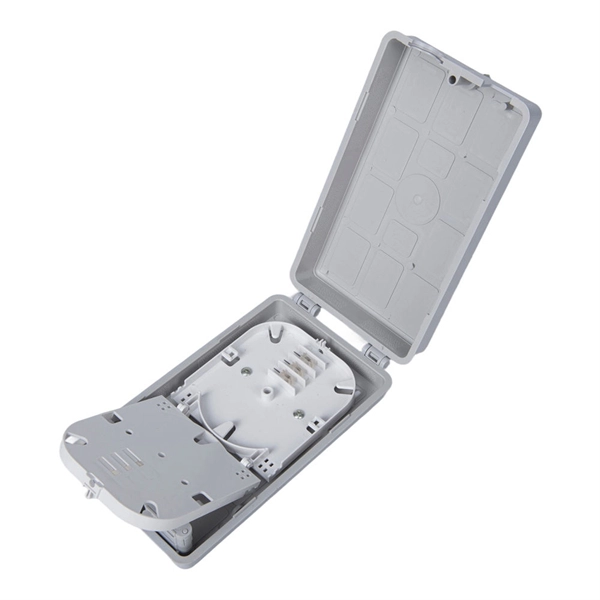
Fiber Fast Connector Buying Guide: SC/APC Cold
A fiber fast connector, also known as a mechanical splice or cold connector, is a field-installable connector that terminates fiber optic cables
The principle of optical fiber cold splice technology
Optical fiber cold splice technology is based on the use of mechanical connectors to join two fiber-optic cables. These connectors are designed to align and join the fibers together in a
fiber optic cold connection
Fiber optic cold connection, also known as mechanical splicing, is a widely used method of connecting optical fibers in a network. Unlike fusion splicing, which uses heat to join two optical
Fiber Optic Connectors
Corning''s fiber optic connector technology includes proven field-installable fiber connectors which make fiber terminations fast, easy, and reliable.
Optical fiber termination methods hot welding, cold joint,
There are 3 types of optical fiber termination methods for different optical communication projects and technical requirements of the cable terminal
How about fiber optic cold connectors
Fiber optic cold connection, also known as mechanical splicing, is a widely used method of connecting optical fibers in a network. Unlike fusion splicing, which uses heat to join two optical fibers together,
Fiber Optic Connectivity
With proven field-installable connector technology, fiber terminations are fast, easy and reliable. Corning high-precision mechanical splice technology enables fiber optic networks to be installed quickly and
FASTConnect Mechanical Fiber Connectors | AFL Global
Proven mechanical splice technology ensuring precision fiber alignment, a factory pre-cleaved fiber stub and a proprietary index-matching gel combine to offer an
Jiangsu Yute Optoelectronic Technology Co., Ltd_ Fiber optic cold
UNIKIT provides overall scheme design, component development, product production and supply services for domestic and foreign telecom operators, system integrators, optoelectronic device
Optical fiber connector
Most optical fiber connectors are spring-loaded, so the fiber faces are pressed together when the connectors are mated. The resulting glass-to-glass or plastic
Comprehensive Guide to Data Center Fiber Optic
Conclusion The successful implementation of fiber optic systems in data center environments requires comprehensive technical understanding, from the
MPO Fiber Optic Connector Market Size, Growth | Industry 2035
MPO FIBER OPTIC CONNECTOR MARKET OVERVIEW The global mpo fiber optic connector market size is estimated at USD 1.24 Billion in 2026 and expected to rise to USD 3.7
The FOA Reference For Fiber Optics
Place the fiber into the guides in the fusion splicing machine and clamp it in place Repeat for the other fiber to be spliced Running the splicer program Choose the
palau-fiber-optic-sensor-price-quote Manufacturer/Producer
We are your specialist for fiber optic cables and custom cable assemblies. With us, you will receive ready-to-connect fiber optic cables in any required configuration, with all connector types and...
Single Mode vs Multimode Fiber Adapters: 2025 Guide
The waterproof fiber optic connector market is expected to grow significantly between 2025 and 2033, fueled by the demand for high-bandwidth connectivity. Miniaturization and the use of
2026 Top 8 Optical Fiber Cable Manufacturer in USA
1. Market Overview: Leading Fiber Optic Cable Suppliers 2. Top 8 Optical Fiber Cable Manufacturer Corning Inc. – The Innovation Pioneer Since developing the first low-loss optical fiber
Fiber Optic Connector Ceramic Ferrule Market: Tracking Sales
A fiber optic connector ceramic ferrule is a precision component that aligns and holds optical fibers in place to ensure optimal signal transmission.
The Ultimate Guide to Fiber Optic Modules and Patch Cords:
Fiber optic technology is the backbone of modern high-speed communication networks, yet selecting the right modules and patch cords can be daunting. This guide demystifies fiber optic standards,
Related Video Reference
This video was associated with the source search result. Verify technical details against current product documentation and project requirements.