DOLPHIN FIBERNetwork equipment for Africa Send a project enquiry
Fiber network equipment / Technical library Optical reference library

Fiber Optic Cable Main Line Laying

Jump to a section
Source context

AI source overview

Fiber optic main lines are installed using trenching, micro-trenching, directional boring, aerial, and indoor methods, with careful handling, pulling, and protection to ensure signal integrity and cable longevity.

Planning and Preparation

Before laying fiber optic cables, a site survey is essential to assess terrain, obstacles, and environmental conditions. Permits and regulatory approvals must be obtained, and safety measures implemented. The cable route should be clearly marked, and conduits or ducts planned for underground or aerial installations.

Conduits often include marker tapes to aid future maintenance and prevent accidental damage.

Underground Installation Techniques

Trenching: Digging trenches 1–1. 2 meters deep (deeper in frost-prone areas) to lay PVC pipes or innerducts. Pull tapes are often included for easier cable installation.

Micro-trenching: A minimal disruption method where a narrow cut is made in the road surface to install fiber, reducing surface impact. Directional Boring / Horizontal Directional Drilling (HDD): Allows conduits to pass under roads, rivers, or existing structures without disturbing the surface.

Aerial and Indoor Installation

Aerial Laying: Fiber cables are mounted on poles or existing infrastructure using clamps or messenger wires. Proper tension and sag calculations are critical to prevent mechanical stress. Indoor Laying: Cables are routed through conduits, trays, or along walls and ceilings.

Minimum bend radius and avoidance of twisting are strictly observed to prevent damage.

Cable Handling and Pulling Techniques

Pulling: Cables are pulled through ducts or conduits using winches or manual methods. Pulling tension must not exceed manufacturer specifications, and lubricants may be used to reduce friction. Figure-8 Loops: When laying cable on the ground, loops in a figure-8 pattern prevent twisting and kinking, with loop sizes typically 2–4 meters depending on cable stiffness.

Clamps and Supports: Use plastic clamps with large surface areas to avoid pinching or squeezing the cable. Mechanical pressure should be minimized at crossing points.

Protection and Storage

Protective Sheaths: Keep protective material on the cable until installation.

LSZ

H sheathed cables are sensitive to mechanical stress and temperature variations. Storage: Reels should be stored on flat, firm surfaces, away from sharp objects or flooding. Maximum storage temperatures specified by the manufacturer must be respected.

Splicing and Connections

Reserves: Leave cable reserves in circular or figure-8 shapes for future maintenance. Splice Protection: Use splice protectors and ensure fibers not involved in connections are safely stored. Cleanliness is critical to minimize signal loss.

Summary

Successful fiber optic main line installation requires careful planning, proper handling, and adherence to technical standards. Techniques such as trenching, micro-trenching, HDD, aerial, and indoor laying are chosen based on terrain and project requirements. Proper pulling, looping, clamping, and storage practices ensure cable integrity and long-term network performance.

Research context

Reference summary

Fiber Optic Network Construction Learn how fiber optic network construction works—from site survey and permits to aerial vs underground fiber cable install.

From reference to enquiry

Questions for your project

Use these editorial prompts alongside the linked excerpts. They identify items to confirm for your project.

Detailed reading / connection to installation

Fiber infrastructure reference
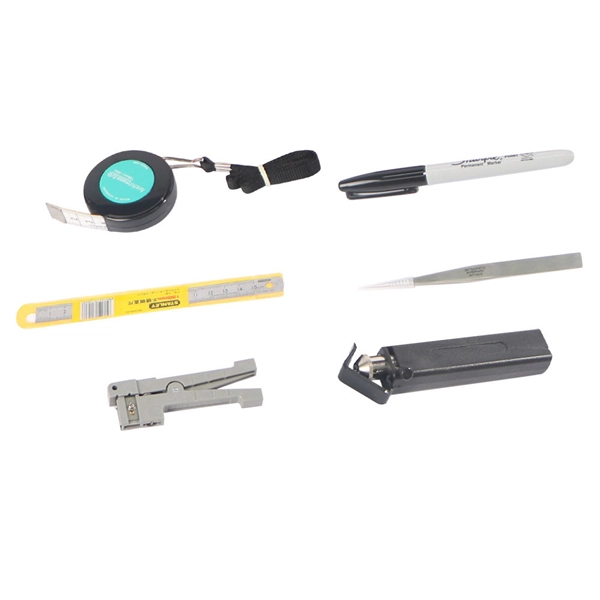
Fiber Optic Cable Main Line Laying
Equipment illustration / verify against the selected product
Fiber Optic Network Construction

Learn how fiber optic network construction works—from site survey and permits to aerial vs underground fiber cable installation, splicing, and FTTH

Fiber Optic Cable Installation, Overhead vs. Buried

Overhead and buried laying are the most common laying methods for fiber optic cable installation. What are their differences and which one is the best

Fiber Internet Installation: Step-by-Step Guide (2026)

Get fiber internet installation done right for your home or business. Enjoy lightning-fast speeds and stable connections with professional setup.

Master Your Fibre Optic Installation: Step-by-Step Best Practices

This comprehensive guide delves into the intricacies of fiber optic installation, exploring topics ranging from cable types and pre-installation considerations to execution, safety protocols,

Fiber Optic Installation Process: Complete Guide (2025)

Learn about the fiber optic installation process with our detailed guide. Understand each step to ensure a smooth and efficient setup for high-speed

Fiber-optic cable

A fiber-optic cable, also known as an optical-fiber cable, is an assembly similar to an electrical cable but containing one or more optical fibers that are used to carry

Cable Diameter Calculation Guide: Formulas, Charts

Master cable diameter calculation, for Copper & Aluminum wires and cables, Cat 6 and fiber optic cable diameter, for 8 AWG, 6 AWG, 4/0 cable

dominican-fiber-optic-cable-winding-machine

24 Companies and suppliers for dominican-fiber-optic-cable-winding-machine Find wholesalers and contact them directly Leading B2B martketplace Find companies now!

guatemala-fiber-optic-cable-rewinding-machine Manufacturer/Producer

17 suppliers for guatemala-fiber-optic-cable-rewinding-machine Manufacturer/Producer Find wholesalers and contact them directly B2B martketplace Find companies now!

Machine for Fiber Laying Underground: A Complete

A machine for fiber laying underground is a specialized engineering device built exclusively to install fiber optic cables, protective conduits, and

Distributed Fiber Optic Vibration Sensing (DVS) System

6. Fiber Cable Laying Methods for DVS System The DVS system consists of a hardware host and sensing fiber. The laying method of the sensing fiber is customized according to the on-site

The FOA Reference For Fiber Optics

All fiber optic applications are not the same. At the FOA, we''re mainly concerned with communications fiber optics - telco, CATV, LAN, industrial, etc., but fiber

ADSS Cable Installation Accessories for Aerial Fiber

Explore the essential ADSS cable installation accessories for safe and reliable overhead fiber optic deployment. Learn about suspension clamps,

PDF document

PDF document PDF document Read this PDF document online, download the original file, and browse related details on device.report. Additional coding instructions can be found in the Article File chapter

nauru+fiber+optic+cable+rewinding+machine

We are the leading cable pulling specialist in the Rhine-Main area, up to 30kV cables. We also offer blowing, splicing, and measuring of fiber optics, as well as pipe calibration and pressure... Other

Fiber Optic Installation Price List | PDF | Optical Fiber

The unit price list presents the codes, descriptions, and unit amounts for various services related to fiber optic installation. A total of 52 services are listed, including splicing, testing, excavations, cable

The FOA Reference For Fiber Optics

There have been instances where poorly trained installers, even landscape contractors, have been hired to do installations and have cut other fiber optic

A Step-by-Step Guide to Fiber Optic Cable Installation

This beginner-friendly guide will walk you through the step-by-step process of fiber optic cable installation for each method, highlighting best

Related Video Reference

This video was associated with the source search result. Verify technical details against current product documentation and project requirements.

Specify your fiber equipment

Share the fiber interfaces, termination capacity, cable route and evidence required for handover.

Send a project brief