
Fiber infrastructure reference
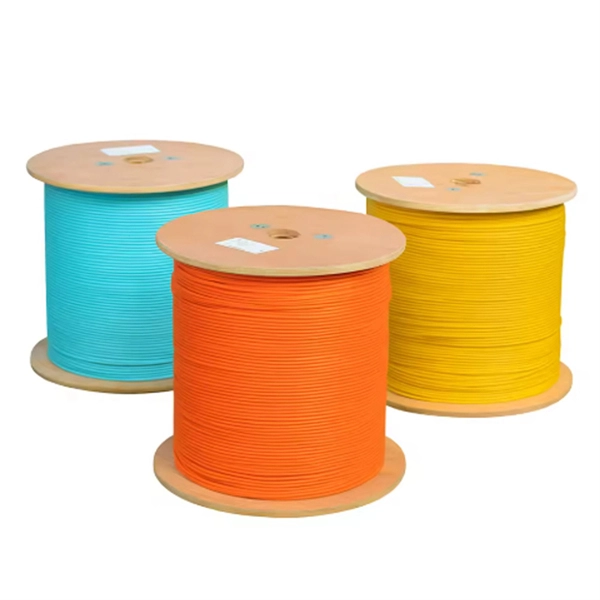
Permanent fiber-optic cable
Permanent downhole fiber-optic cables are critical infrastructure in wellbore monitoring systems, ensuring reliable transmission of data for applications such as distributed temperature, acoustic, and
Fiber Optic Network Construction
A well-executed fiber optic construction plan ensures long-term reliability, minimal maintenance, and scalability for future upgrades. As cities
A High-Level Overview of the Fiber Construction Stages
Get a high-level overview of the fiber construction stages and what to expect. This comprehensive guide explains each step of the process, helping you set realistic
FOA Standard For Installing Fiber Optic Cable Plants
Before the fiber optic cable plant can be installed, construction may be needed to provide the infrastructure in which the fiber optic cables will be installed.
Fiber Optics Fundamentals: SMF, MMF & Link Budget
To understand and design reliable optical links, engineers must consider the construction of the cable, the behavior of light within the fiber, and
Fiber Optic Cable Construction: A Comprehensive Analysis
In this article, we''ll discuss in detail the construction of Fiber optic cables and also see the challenges you might face. So, keep reading to learn
Underground Fiber Optic Cable Installation: A Complete
Learn how to install underground fiber optic cables safely and efficiently. Explore trenching, conduit selection, direct burial methods, splicing,
Fiber optic network installation in the ground
Learn how fiber optic networks are installed in the ground. This article explains common underground installation methods and key decision factors.
Fiber Optic Network Construction: Process and Build Costs
Dgtl Infra provides an in-depth overview of fiber optic network construction, including its density, as measured by strand count, and the time it takes for a fiber network
Fiber Optics and Types
Fiber optic cables are used for long-distance and high-performance data networking. They are capable of transmitting data over longer distances and at higher bandwidths (data rates) than
The FOA Reference For Fiber Optics
Topic: Fiber Optic Cable Table of Contents: The FOA Reference Guide To Fiber Optics Fiber Optic Cable Cable Types: (L>R): Zipcord, Distribution, Loose Tube,
Air Blown Fibre vs Traditional Fibre: Which Cabling Method Should
Introduction: Air Blown vs Traditional Fibre at a Glance If you''re planning a new network or expanding existing infrastructure, you''re facing a fundamental decision: should you deploy air
Ribbon Fiber Optic Cable and Splicing: Key Points and
Ribbon fiber optic cables offer high-density connectivity with efficient mass fusion splicing. Learn about their advantages, installation challenges and
WordHTML
WordHTML - Online Converter, Editor and Cleaner Free online Word to HTML converter with built-in code cleaning features. Open, edit and save Word documents online for free and download them in
TDS Fiber | Best Fiber Optic Internet Provider Near Me
Unlike traditional copper wire connections, fiber-optic cables offer faster speeds, greater bandwidth, and are less susceptible to interference. Learn more about fiber-optic internet connections here.
fiber-optic-heat-shrink-tubing-ik10-manufacturer
We are the leading cable pulling specialist in the Rhine-Main area, up to 30kV cables. We also offer blowing, splicing, and measuring of fiber optics, as well as pipe calibration and pressure...
Armored vs Unarmored Fiber Optic Cable: Your Complete Decision
Executive Summary: Both armored and unarmored fiber optic cables transmit light signals at near-speed-of-light speeds. But when it comes to protecting your fiber optic network from rodents,
Fiber Optic Sensor Cables for Advanced Monitoring | AP Sensing
Advanced Monitoring Technology Fiber optic sensor cables are the key enabler for real-time monitoring of temperature, strain, and acoustic signals across diverse and challenging environments.
Related Video Reference
This video was associated with the source search result. Verify technical details against current product documentation and project requirements.