
Fiber infrastructure reference
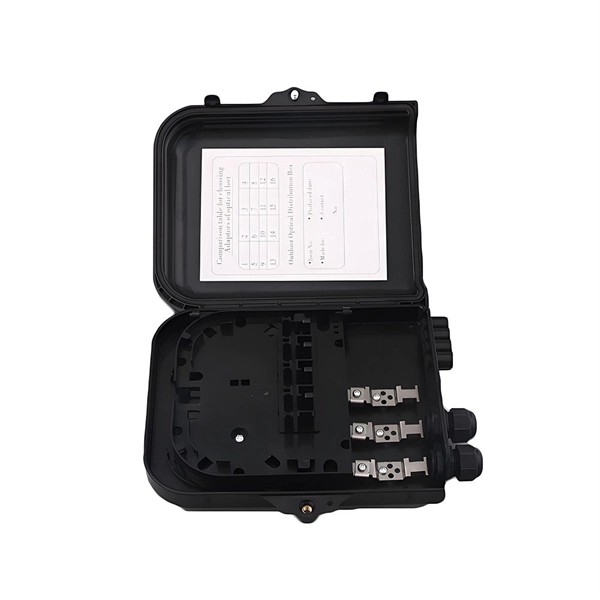
From Patch Panels to Fiber Optics: Key Components of Structured
Meta description: Master the core elements of structured cabling, from patch panels to fiber optic cabling. Build scalable and reliable networks with expert tips and best practices.
What Is a Fiber Patch Panel & Why It''s Essential for Your Network
A well-designed fiber patch panel improves overall network reliability by creating a stable and organized environment for fiber optic connections. By reducing cable stress and minimizing
Understanding Fiber Patch Panels: A Comprehensive
A Fiber patch panel provides an orderly approach to connecting and routing fiber optic cables to enhance the proper management of the network. The
How does a Fiber Optic Patch Panel Work?
Fiber optic patch panels are critical components in fiber optic networks, serving as a centralized point for managing and organizing fiber optic cables and connections.
Fiber Optic Patch Panel: A Comprehensive Overview for Beginners
The fiber optic patch panel, also known as the fiber distribution panel, serves as the crucial component of the management of fiber optic cables. It is usually a metal panel consisting of
Fiber Optic Structured Cabling System: 2026 Essential Guide
Discover how a fiber optic structured cabling system improves performance, scalability, and reduces downtime in your network.
Everything You Need to Know About Fiber Patch Panels
Fiber patch panels are essential for present-day data centers and telecommunication networks, which organize fiber optic cables for easy use. Here, you can expect to find a complete
How Does a Fibre Patch Panel Work?
In the realm of fibre optic networks, a fibre patch panel serves as a central hub for managing and organising fibre optic cables. It plays a critical role in ensuring efficient data
What Is Fiber optic Patch Panel?-30 seconds Quick and accurate guide
A fiber optic patch panel is an indispensable cornerstone of modern optical networks. By offering termination, interconnection, and distribution functions, it enables centralized management
Fiber Adapter Panels in Modern Network Infrastructure
A fiber adapter panel, also known as a patch panel or fiber distribution panel, serves as a central hub for organizing and interconnecting fiber optic cables, allowing network administrators to
Understanding Fiber Patch Panels: A Comprehensive
A fiber patch panel is essential in assisting with this issue as it provides a systematic method of terminating, connecting and organizing fiber
Fiber Optic Cable Types | SMB & Campus Backbones –
TL;DR – How to Think About Fiber Optic Cable Types In day-to-day projects you do not choose between “hundreds of fiber types”. You usually
Fiber Optic Connector Types: A Beginners Guide
The fiber connector types, sometimes referred to as terminations, link fiber optic cables together through terminals, switches, adapters, and patch
Users Guide To Fiber Optic System Design and Installation
When designing or installing fiber optic cabling, the contractor can either design to cabling standards, which allows use with any network or communications system designed for those standards, or for a
Patch Panels: A Complete Guide
Cable Matters has eight, 12, 24, and even 48-port patch panels, providing versatile network expansion at your wire closet, or server rack. Do take
What Is Fiber Optics? A Guide
Fiber optic cables are often used to transmit data and control signals in environments where high-powered motors, heaters, and similar equipment generate a great deal of interference.
Understanding Fibre Optic Cables & Types with Network
This video provides a real world overview of using Fibre Optic cables in the data centres for connectivity between network switches and patch panels.
What does a Fiber Patch Panel do?
The Fiber Patch Panel, also known as a fiber distribution panel or fiber termination panel, serves as a central point for managing and organizing fiber optic cables within a network. It plays a
Related Video Reference
This video was associated with the source search result. Verify technical details against current product documentation and project requirements.