
Fiber infrastructure reference
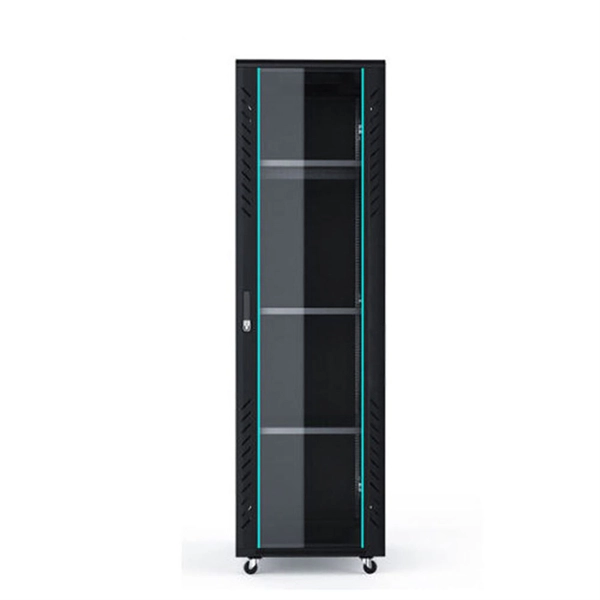
What Is a LowVoltage Complete Distribution Box 2026 Complete
A low-voltage complete distribution box is a standardized, factory-assembled electrical enclosure widely used in industrial, construction, and municipal infrastructure projects to safely distribute, control, and
Usage, Principle, And Classification of Low Voltage Distribution Box
Low-voltage distribution boxes for power, lighting, and motors. They are mostly enclosed and vertically installed, with different levels of protection depending on the application. They are mainly used as
Low-Voltage Distribution Box Explained: Types, Standards, and Uses
These boxes ensure efficient power distribution while adhering to safety standards. In this article, we will explore the types, standards, and uses of low-voltage distribution boxes to address
Distribution Box and Selection Guide: Internal Structure, Components
Learn how to choose a distribution box and understand its internal structure, including MCBs, busbars, neutral bars, earth bars, RCDs, RCBOs, SPDs, enclosure ratings, and wiring layout.
IEC 61439 Standard Explained: Low Voltage Distribution Box
Low voltage distribution boxes are the silent guardians of modern infrastructure – hidden behind walls and in utility rooms, orchestrating power flow with Swiss-watch precision.
A Complete Guide to LV Distribution Board | CHINT global
Read on to gain a comprehensive understanding of LV distribution boards. LV distribution boards can generally be categorized into 3 types: Main distribution boards (MDB)
Design requirements and standards for low voltage distribution boxes
Design requirements for low voltage distribution boxes cover NEC, IEC, and safety standards to ensure reliable, compliant electrical installations.
Low Voltage Distributing Box: Composition, Classification, and
These boxes are essential for managing electrical loads in various environments, from homes to industrial facilities. The design and features of distribution boxes vary significantly based on their
The complete portfolio for low-voltage power distribution
Whether in industrial applications or in the infrastructure – our comprehensive portfolio of products and systems offers safe, flexible and efficient possibilities of application for low-voltage power distribution
Technical Application Papers No.11 Guidelines to the construction of a
When the measured values are lower than or equal to the admissible ones, the test is considered as passed for those currents, that rated diversity factor and under those defined conditions (ambient
A Complete Guide to LV Distribution Board | CHINT global
LV distribution boards, part of the electrical distribution system, securely distribute low-voltage power to facility circuits.
Low-voltage distribution networks
In cities and large towns, standardized LV distribution cables form a network through link boxes. Some links are removed, so that each (fused) distributor leaving a substation forms a
Basics in low voltage distribution equipment
Low voltage distribution equipment typically operates at less than 600 volts; in contrast, medium voltage equipment affords a wider range of 600 to 38,000 volts. This paper provides a basic overview of the
ABB Low voltage distribution system
ABB Low voltage distribution system offers safe and reliable distribution based on InLine ZLBM fuse switch disconnector. It''s a full IP2X protected system consisting of Z-busbar, InLine ZLBM, Z-busbar
Low vs. Medium vs. High Voltage: Full Classification Guide | VIOX
Discover the critical differences between Low, Medium, and High Voltage (LV/MV/HV). A complete guide to IEC vs. ANSI standards, safety, and VIOX equipment selection.
Boxes in Distribution Cabinet and Network Blocks
Low voltage network distribution and connection solutions. CAHORS has solid expertise in developing and manufacturing low voltage products for underground networks. CAHORS has a wide range of
How to Choose the Right LV Distribution Box
Considering both the short-term and long-term costs will enable homeowners and businesses to make rational decisions on spending while emphasizing safety and efficiency. 4) Delixi
Complete Guide For Distribution Boxes Types
Distribution boxes, also known as electrical distribution boards or panels, are pivotal components in electrical systems, ensuring the safe and organized distribution of electrical power throughout
Related Video Reference
This video was associated with the source search result. Verify technical details against current product documentation and project requirements.