
Fiber infrastructure reference
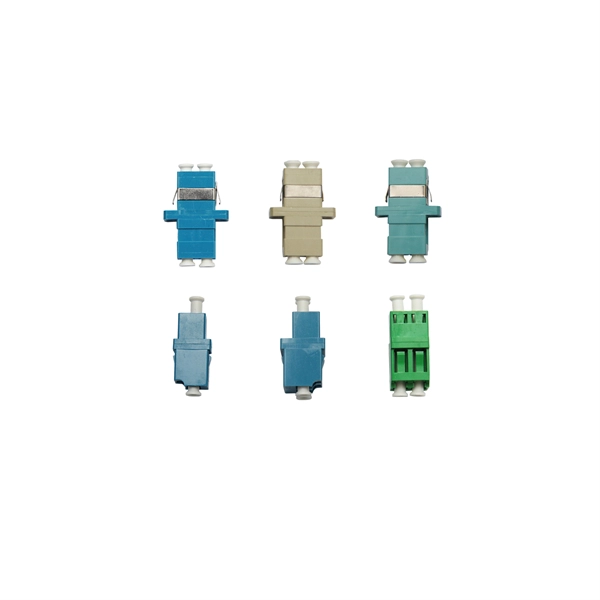
BiDi SFP: Data in both directions magic, one fiber is enough
This approach significantly reduces fiber requirements, as no two separate fibers are needed for both communication directions.
Single-Fiber Bidirectional Transmission and Single-Fiber
This mode saves half of the fiber resources compared to the single-fiber unidirectional transmission mode, but it has a more complex design and requires more complicated operation, management,
Bi-Directional (BiDi) Transceivers Explained
The ability to utilize a single fiber for bidirectional communication is a key advantage of BiDi transceivers, making them an essential component in modern optical networks.
BiDi Optical Modules: Unlocking Single-Fiber Bidirectional Connectivity
Comprehensive guide on BiDi Optical modules, detailing single-fiber bidirectional connectivity, deployment tips, troubleshooting, and multi-speed applications for optimized networks.
Single-Mode vs Multi-Mode Compatibility — Guide, Best Practices
Learn how single-mode and multi-mode transceivers differ, compatibility rules, testing tips, and best practices for reliable fiber deployments.
Bidirectional or BiDi Transceivers Explained
Traditionally, SFP is a single-mode fiber, meaning that signals can only travel in one direction at a time. While the systems can still efficiently communicate, the ability to send signals in both directions
Can Single Mode Fiber Transmit And Receive Simultaneously
Yes, single-mode fiber can transmit and receive data simultaneously. There are two ways to achieve this. This method uses different wavelengths in each direction to send and receive data.
The Complete Guide to BiDi Transceiver
Unlike traditional optical modules that use separate fibers for transmitting and receiving data, BiDi modules accomplish this bidirectional data transfer on a single fiber, optimizing space
Can one fiber be used to transmit and receive signals?
Normally, you would use a separate fibre for transmit and receive, so two fibres for bi-directional transmission. You can purchase BiDi transceivers, which allow you to use a single fibre
BiDi (bidirectional traffic on a single fiber)
Bidirectional traffic on a single fiber, commonly referred to as BiDi, is a technology that enables data transmission in both directions using a single fiber optic cable.
Single Strand Fiber Solution – Is It Right for You?
By allowing data to be sent and received over the same strand, single strand solutions provide a compelling option for organizations facing limited fiber capacity and strict budgets. But is a
FAQ: What Is Single-Fiber Bidirectional
In Single-Fiber bidirectional mode, multi-wavelength otpical signals are transmitted through only one fiber is both receive and transmit directions. This mode is mainly used on the client
Single Fiber Applications
Single strand optics provide a viable alternative to paired fibers for full duplex communication. Whether you are looking to increase capacity or introduce redundancy to your network, single strand fiber can
The Difference Between Single/Dual Fiber and Single/Multi-Mode
As fiber optic networks continue to evolve, selecting the right optical transceiver becomes increasingly important. Whether you''re designing a short-range data center network or a long
BiDi SFP: The Complete Guide to Bidirectional SFP Transceivers and
A BiDi SFP is a specialized optical transceiver that enables bidirectional communication over a single strand of optical fiber. Unlike standard duplex SFPs that require two fibers—one for
Fiber Optic Transmission Distance: Single Mode vs. Multimode Guide
Learn how fiber optic transmission distance varies between single mode vs. multimode fiber. Discover key factors affecting fiber distance, bandwidth, and cost to choose the right fiber for
Bi-Directional (BiDi) Transceivers Explained
Guide to Single-Mode and Multimode fibers, fiber strands, and BiDi transceivers. Learn how BiDi technology optimizes your network''s efficiency and
Single Mode vs Multimode Fiber Cables
Difference between Single mode & Multimode Fiber Cables Fiber optics are essential for building the most capable networks, but when making design choices, there are plenty of options that serve fiber
Related Video Reference
This video was associated with the source search result. Verify technical details against current product documentation and project requirements.