
Fiber infrastructure reference
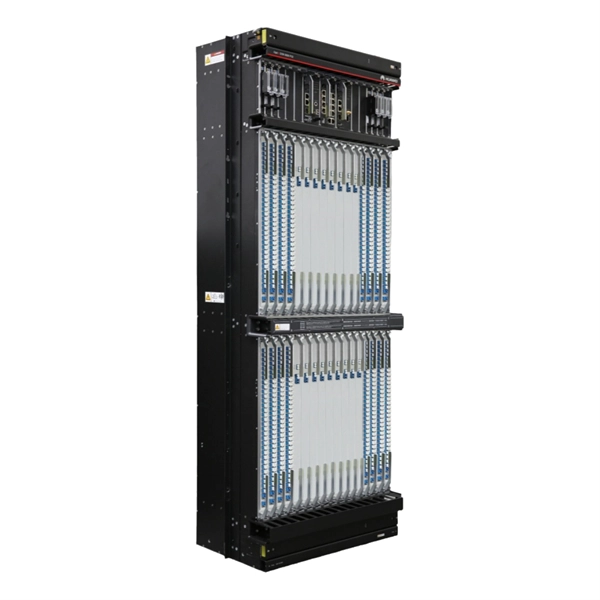
Distribution Box and Selection Guide: Internal Structure, Components
Learn how to choose a distribution box and understand its internal structure, including MCBs, busbars, neutral bars, earth bars, RCDs, RCBOs, SPDs, enclosure ratings, and wiring layout.
Distribution Lines: Power System Guide
Learn what distribution lines are, how feeders work, voltage levels, components, protection, outages, and engineering review checks.
The Meaning and Function of Primary, Secondary, and Tertiary
The primary distribution box refers to the main distribution box, typically located in the distribution room. These boxes feature bottom entry and exit cables, front-opening doors, and main
What is the primary distribution grid and what elements are
Power cables: These are the main transport arteries for electrical energy within the primary distribution grid. Despite appearing to be simple cables, they are designed to withstand significant electrical
Primary Cables: The Backbone of Electrical Distribution
What are Primary Cables? Primary cables, also referred to as primary distribution cables, are high-voltage conductors responsible for transporting electrical power from the main substation to
Distribution Box Guide: Types, Components & Solutions
Understand distribution boxes (DB boxes) in 5 minutes. Learn about types, components, functions, and uses. Find the perfect DB box for your needs.
Distribution Automation Handbook
A typical primary distribution substation would include air-insulated outdoor-type high-voltage side (HV) and a metal-enclosed air-insulated indoor-type medium-voltage switchgear (MV).
Power Distribution Boxes Explained Simply
Learn what a power distribution box is, how it works, key components, types, and why it''s vital for safe and efficient electrical systems.
The Primary and Secondary distribution in electrical systems
If the building is big enough or the demand is there, there could be chosen for a main line distribution around the building with the help of busbar/busway or the common cable connections.
WebProcure
WebProcure offers best-in-class functionality, reaching end-to-end from requester to procurement buyer to merchant, and all the way back! Designed specifically for the public sector.
Ukk Junction Box Wiring And Maintenance Guidelines: Efficient Power
To wire a UKK splitter box correctly, feed the main incoming cable into the primary screw terminal. Tighten the block to the recommended torque specifications.
Metallic Cables Market in the world | Report
The World Metallic Cables market encompasses a broad array of copper and aluminum conductor products used for power transmission, building wiring, industrial control, instrumentation,
Basics of Fiber Optic Distribution Box
Fiber Optic Distribution Box (FDB) is a crucial component in a fiber optic network. Its primary function is to provide safe and reliable connection, distribution, and management of optical
Distribution boxes – For modular and decentralised solutions
Modern automation solutions are becoming increasingly decentralised. As a result, you need distribution systems that can be easily integrated into the common automation systems and are more efficient to
What Is the Difference Between a Terminal Box and a Distribution Box
The key difference between a terminal box and a distribution box lies in their primary function. A terminal box is primarily used for making and managing electrical connections, providing
ITPro Today, Network Computing, IoT World Today combine
ITPro Today, Network Computing and IoT World Today have combined with TechTarget . The page you are looking for may no longer exist.
Fiber Optic Distribution Box Application and Research Report
Application Scenarios of Fiber Optic Distribution Box As a core node device in optical fiber networks, the fiber Optic distribution box is widely used in multiple fields of communication
Electrical distribution box Manufacturer/producer Germany
746 suppliers for electrical distribution box Manufacturer/Producer Find wholesalers and contact them directly B2B martketplace Find companies now!