
Fiber infrastructure reference
Connecting Cable Trays: Your Guide to Secure and
Learn common methods for connecting cable trays safely and efficiently. Our guide covers splice plates, quick-connects, and key tips for
Cable Tray Installation
Whether you''re building a commercial setup or upgrading an industrial plant, proper cable tray installation ensures neat wiring, safe access, and easy maintenance. But before you lay the first
Cable Tray Technical Guide A practical guide to product selection and
Cable Tray Technical Guide A practical guide to product selection and installation This guide for engineers and installers has been developed by ABB as a practical reference regarding cable tray
Mastering Cable Tray Installation | Step-by-Step Guide for a Seamless
Mastering cable tray installation is crucial for creating a safe, organised, and efficient cable management system. By following this step-by-step guide, you can ensure a seamless setup that
A Guide to Installing and Supporting Electrical Cable Trays
This guide covers the critical steps, from selecting the right electrical cable tray and performing accurate cable fill calculations to managing a safe cable pull through
INSTALLATION GUIDE
Where metal supports for metal cable trays are bolted to the tray and are in good electrical contact with the grounded structural metal frame of a building, the tray shall be deemed to be bonded to ground.
5 Steps to Learn How to Install Cable Trays
Installing a cable tray system requires careful planning to ensure it can support the weight of the cables and adheres to electrical safety codes. Here is a step-by-step guide on how to install a
Cable Tray Types & Installation Guide | Enagalxy
Learn cable tray types, uses, and installation basics to support safe, efficient electrical and water supply pipe systems in your project.
Cable Tray Systems: A Complete Guide to Types
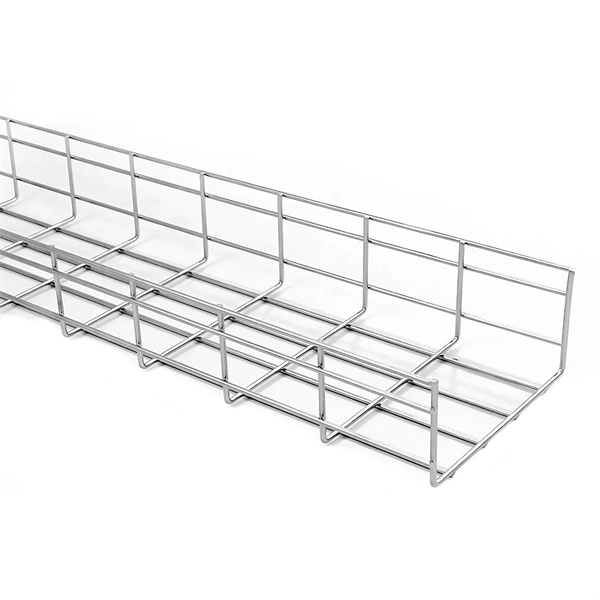
Discover the essential guide to cable tray systems. Learn about ladder, trough, and wire mesh types, key components, and expert installation tips
Cable Tray Connectors | McMaster-Carr
Choose from our selection of cable tray connectors, including cable and hose trays, steel formable cable and hose trays, and more. Same and Next Day Delivery.
Cable trays, screw connection | OBO
To product Item no. 6047602 Cable tray RKS 60 FT perforated To product Item no. 6055893 Cable tray RKS 60 FS perforated, w/o floor beading To product 3 Variants Cable tray MKS 35 FS To product
How To Install Cable Trays
Grounding: Your cable trays should be connected to a grounding system to prevent static charge buildup. Securely mounting the tray ensures it
Cable Tray | Wire Mesh, Ladder Tray and More Wire Management
Cable trays and baskets are designed to help support and route cable bundles in an organized manner along ceilings or walls. Shop for cable tray systems now.
Samoa Galvanized Cable Tray Specifications Buyers & Importers
Sell Samoa Galvanized Cable Tray Specifications in bulk to verified buyers and importers. Connect with businesses actively looking to buy wholesale Samoa Galvanized Cable Tray Specifications at best
Cable Trays | Cable Management Trays
Ladder Cable Tray: Ladder cable trays have a ladder-like design with horizontal side rails connected by rungs. The rungs provide support for cables and allow easy access for maintenance.
Practices for grounding and bonding of cable trays
A bare copper equipment grounding conductor should not be placed in an aluminum cable tray due to the potential for electrolytic corrosion of the aluminum cable tray in a moist environment. For such
Avoiding Mistakes in Instrumentation Cable Tray
Learn how to avoid common mistakes in instrumentation cable tray installation. Follow IEC standards and EPC best practices for safe, reliable
Cable Tray Selection for Inverter and BESS Areas
As more PV sites add BESS blocks beside inverter areas, cable tray routes are getting more attention in equipment zones. Around inverter pads and BESS containers, tray selection usually starts
Related Video Reference
This video was associated with the source search result. Verify technical details against current product documentation and project requirements.