DOLPHIN FIBERNetwork equipment for Africa Send a project enquiry
Fiber network equipment / Technical library Optical reference library

Cable Tray Secrets

Jump to a section
Source context

AI source overview

Mastering cable tray installation involves understanding proper segregation, support spacing, material selection, and tray type to ensure safety, performance, and longevity.

Key Principles of Cable Tray Installation

Segregation and Safety: Proper separation of Extra Low Voltage (ELV) and Low Voltage (LV) cables is critical to prevent interference, maintain signal integrity, and comply with safety standards. Segregation also reduces the risk of electrical hazards and ensures reliable system performance. Support Spacing: Correct spacing of supports, such as Unistrut channels, is essential for structural stability.

Typical rung spacing ranges from 6 to 9 inches (150–230 mm) for instrumentation and control applications, ensuring cables are supported without sagging or damage. Bend Radius and Cable Protection: Maintaining the minimum bend radius for cables as they exit the tray prevents conductor damage and prolongs cable life. Closed or solid trays can offer additional protection in sensitive environments.

Types of Cable Trays

Ladder Tray: Features side rails with cross rungs, allowing maximum airflow and easy cable access. Ideal for power and large cable bundles. Perforated Tray: Provides ventilation while supporting cables, suitable for medium-weight applications.

Solid Bottom Tray: Offers full protection against dust, moisture, and mechanical damage, often used in harsh environments. Basket Tray: Lightweight and flexible, ideal for routing small cables and fiber optics. Channel Tray: Compact and aesthetically suitable for visible installations, often used for instrumentation cables.

Material Selection

Cable trays are manufactured from steel, aluminum, stainless steel, and fiberglass-reinforced plastic (FRP). Material choice depends on environmental conditions, corrosion resistance, and mechanical strength requirements. For example, aluminum offers excellent corrosion resistance, while stainless steel (AISI 316L) is ideal for highly corrosive environments.

Galvanization provides sacrificial protection for steel trays, forming a protective zinc layer that prevents rust and extends service life.

Installation and Maintenance Tips

Use proper fittings such as elbows, T-joints, and brackets to maintain structural integrity and cable routing efficiency. Reduce the number of supports where possible to save on structural steel costs without compromising safety. Ensure trays are installed with adequate ventilation to prevent heat buildup, especially for high-current cables.

Regular inspection and maintenance help detect corrosion, loose fittings, or cable damage early, ensuring long-term reliability.

Practical Insights

Plan cable tray routes to minimize bends and intersections, reducing installation complexity and signal interference. Consider future expansion by leaving extra space in trays for additional cables. Use cable ties or clamps to secure cables neatly, maintaining both aesthetics and safety.

By following these principles, electricians and engineers can achieve efficient, safe, and professional cable tray installations that meet both performance and regulatory standards.

Research context

Reference summary

What Are Cable Trays and How Do They Work? Explore the hidden engineering behind cable tray systems, ensuring safety, thermal management, and accessibility.

From reference to enquiry

Questions for your project

Use these editorial prompts alongside the linked excerpts. They identify items to confirm for your project.

Detailed reading / connection to installation

Fiber infrastructure reference
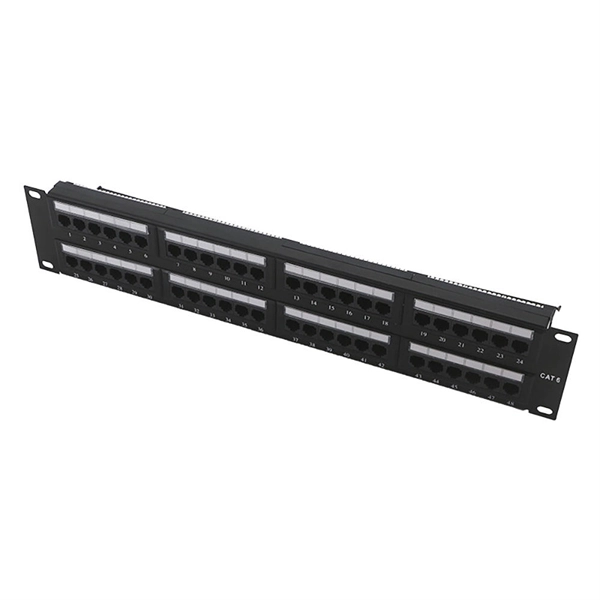
Cable Tray Secrets
Equipment illustration / verify against the selected product
What Are Cable Trays and How Do They Work?

Explore the hidden engineering behind cable tray systems, ensuring safety, thermal management, and accessibility in complex facilities.

Electrical Cable Tray Sizing Secrets

Electrical Cable Tray Sizing Secrets #electrical #electricalsystem #cabletray #cabling #cabletraysizing How to size the electrical cable trays. This

Cable Trays: The Essential Guide to Efficient Cable

In the intricate world of electrical and data management, cable trays play a pivotal role in ensuring the safe, organized, and efficient routing of cables. This in-depth

Cable Tray Systems Explained: The Right Solution for

Discover cable tray systems, including tray types, sizes, duty ratings and materials, and learn how to choose the right solution for safe cable management.

Cable Tray Types and Sizes

Types of Cable Trays and Sizes Explore various cable tray types and sizes for electrical installations. Learn about ladder, perforated, solid-bottom, wire mesh,

Wiring in Cable Trays: Your Guide to Tidy and Safe

Learn essential principles for wiring in cable trays. Our guide covers segregation, fill, bending, grounding, and labeling for safe, tidy, and reliable cable

Cable Trays and Their Uses: Definition, Types, and

Learn about cable trays for desks, accessories, and how they compare with raceways, conduits, and trunking for efficient cable management.

The Comprehensive Guide to Cable Tray Systems:

Master cable tray systems with our expert guide covering structural engineering, material selection, and NEC compliance to ensure safe, efficient,

7 Types of Cable Trays: How to Choose the Right One

Selecting the correct cable tray type is not arbitrary—it depends on a combination of cable characteristics, environmental conditions, and installation requirements.

What are Cable Trays & Different Types of Cable Trays

Learn what cable trays are & explore the various types, benefits, and purposes. Gain insights into how electrical cable trays can revolutionize your

Cable Tray Installation

Learn everything about cable tray installation with our complete guide. Discover types, steps, and safety tips for efficient electrical cable management.

Cable Tray and Reels | Wire and Cable Management

Fast installation with dependable support. Everything you need to build a cable management system, including Cablofil wire mesh cable tray, ladder cable tray, prefab assemblies for brand circuit wiring,

Cable Tray Systems | Cable Management Trays | Metsec

Our Cable Tray Systems and cable management trays offer high quality steel and galvanised steel solutions for the mechanical and electrical services industries.

Types of Cable Trays – Advantages, Applications and Sizes

Explore the types of cable trays, their advantages, applications, and standard sizes. Learn how they improve cable management and support various industries.

Overhead Cable Management: Cable Runway vs. Cable Tray

Modern data centers could not survive without proper overhead cable management. Learn all about cable pathway systems such as cable tray and cable runway.

Aois Propriis Volat

Haunted by fragmented memories and relentless trauma, she finds herself drifting in the aftermath—neither villain nor hero, just broken and lost. She drifts between identities, between

Cable Tray | Wire Mesh, Ladder Tray and More Wire Management

Cable trays and baskets are designed to help support and route cable bundles in an organized manner along ceilings or walls. Shop for cable tray systems now.

Best-in-class cable management | Secretlab MAGNUS Pro

Say goodbye to messy cables and a cluttered desk. Drop your cords into Secretlab MAGNUS Pro''s full-length cable tray to hide them from view — and make space to focus.

Related Video Reference

This video was associated with the source search result. Verify technical details against current product documentation and project requirements.

Specify your fiber equipment

Share the fiber interfaces, termination capacity, cable route and evidence required for handover.

Send a project brief