
Fiber infrastructure reference
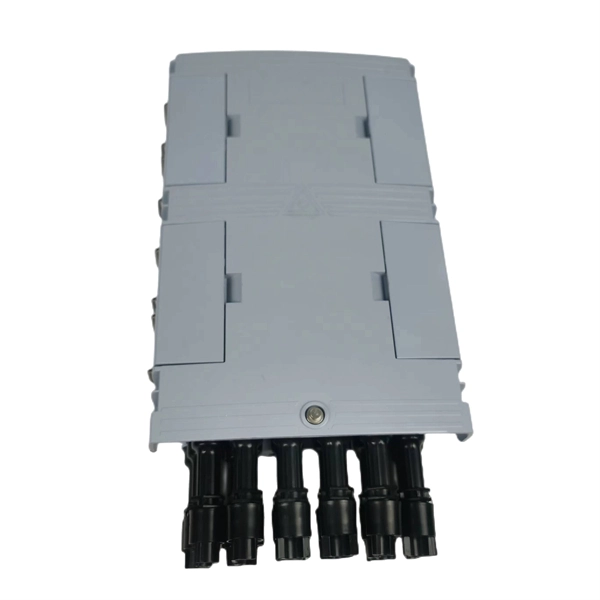
How Much Wire Should Be Left in an Electrical Box?
Electrical safety standards specify that at least 6 inches of free conductor must be left at each outlet, junction, or switch point. This measurement begins from the point where the cable sheath or raceway
Cable Length Calculator
Calculate the required cable length for electrical installations accounting for straight-line distance, vertical rise, bends, and slack allowances. This calculator helps ensure you order the correct amount
2026 NEC Electrical Junction Box Sizes Guide: Calculator + Code
Choosing the right electrical junction box size is crucial for safety and code compliance in your US projects. This guide helps you determine the correct dimensions based on wire fill capacity,
Length Restrictions in Cable Testing
This procedure allows for an estimation of cable performance and thus, represents a fast approach to mass testing of boxes and/or drums for cable length beyond 100m.
Electrical Box Fill Calculator — NEC 314.16 Volume Requirements
Free electrical box fill calculator per NEC 314.16. Compute required volume for conductors, devices, clamps & grounds instantly. Updated for NEC 2023.
NEC Electrical Junction Box Rules – Complete Compliance Guide
These rules define when you must install a box, how large it must be, how you must install it, and how inspectors evaluate compliance. This guide breaks down the actual rules inspectors
314.16 (B) Box Fill Calculations.
First, where one or more internal cable clamps, whether factory or field supplied, are present in the box, a single volume allowance in accordance with Table 314.16 (B) shall be made based on the largest
General method for cable sizing
Several reference methods are defined (with code letters A to G), grouping installation methods having the same characteristics relative to the current-carrying capacities of the wiring
A Comprehensive Guide to Sizing a Junction Box
A junction box houses wiring connections, protecting them from damage and containing sparks to prevent fires. But sizing it correctly isn''t just best practice—it''s a critical safety requirement
PDF document
PDF document PDF document Read this PDF document online, download the original file, and browse related details on device.report. Additional coding instructions can be found in the Article File chapter
How to Install a Cable Distribution Box Safely and Correctly?
In modern electrical systems, cable distribution boxes (also known as electrical distribution boxes or distribution boxes) play a crucial role as the key hub for managing, distributing,
Standards Frequently Asked Questions | BICSI
Variables may include: the size of conduit, number of cables, length of the conduit runs and whether flexible conduit is involved before it enters the pull box.
Calculation method for the number of cables
Total number of cables required = total number of monitoring points x actual average cable length (meters) Note: The distance from the farthest and nearest monitoring points is the actual
How to determine the size, installation method and
9) The wood brick and iron parts needed for the installation of the distribution board need to be buried in advance, and the exposed distribution box should be fixed
Size determination, installation method and wiring mode of distribution
The distribution box is the central hub of the home circuit and the general control of our daily power consumption. It is an indispensable electrical equipment. If there are some potential safety hazards,
Cable Length Calculator
The total cable length combines the direct path length (calculated using Pythagorean theorem), bend allowance (accounting for 90-degree bends), slack
CHAPTER 39 POWER AND LIGHTING DISTRIBUTION
An allowance shall not be required for a cable connector having its clamping mechanism outside of the box. A clamp assembly that incorporates a cable termination for the cable conductors shall be listed
How Much Wire Should Be Left in an Electrical Box?
The length of wire left inside an electrical box is a matter of strict compliance, safety, and functionality. Having the correct amount of slack ensures that future maintenance, repairs, or device replacements