
Fiber infrastructure reference
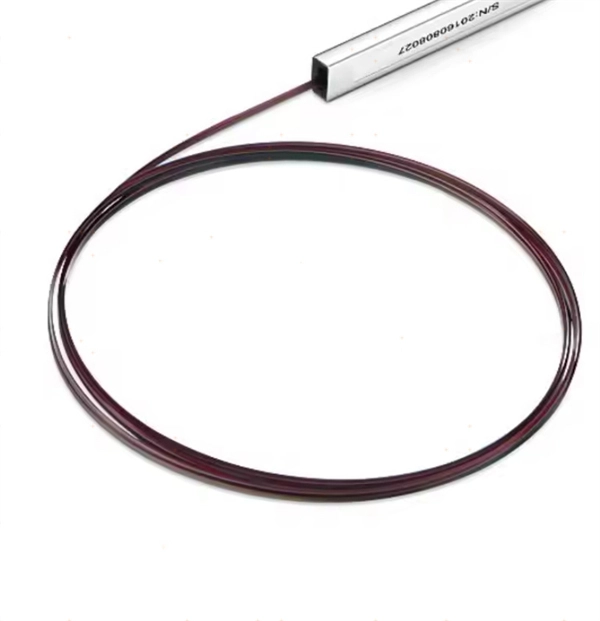
Fiber Optic Pigtails: Uses & Differences from Patch Cords
They are the bridge between fiber optic cables in the field and the equipment or patch panels that manage them. By combining factory-installed connectors with spliced bare fiber, pigtails
Fiber Optic Cable vs Patch Cord vs Pigtail – Complete Guide
Understand the differences between fiber optic cables, patch cords, and pigtails. Learn standards, applications, and how to choose the right fiber solution
Fiber Patch Cord & Pigtail: Types, Specifications & Selection | Opelink
Q1: What is the difference between a fiber patch cord and a pigtail? A fiber patch cord has connectors on both ends, used to connect active equipment (switches, routers, ONTs) or to connect
Fiber Optic Patch Cords & Pigtails Selection Guide
Learn how to pick the right fiber optic patch cord or pigtail. Avoid installation errors. Based on 12+ years of field experience. Step-by-step guide with real examples.
Fiber Optic Pigtail: Types, Splicing Guide, Specs & Price
A fiber optic pigtail is a short fiber cable with a factory-installed connector on one end and a bare fiber end on the other. The bare end is stripped, cleaned, and fusion-spliced to a trunk or
Fiber Optic Pigtail: The Complete Guide to Types, Splicing Methods
Once you''ve selected your pigtail, the bare fiber end needs to be permanently joined to the incoming cable fiber. You have two methods: fusion splicing and mechanical splicing.
Why Migrate to LC Pigtail Cables: Advantages and Considerations for
LC pigtail cables are among our top offerings, designed to meet the evolving needs of businesses and organizations worldwide. In this blog, we''ll explore the numerous advantages of
Fiber Optic Patch Cords vs Pigtails: Uses & Differences
In the intricate ecosystem of fiber optic networks, two components play a critical role in ensuring seamless connectivity: patch cords and pigtails. While both are essential for linking fibers to
The 2026 Fiber Optic Pigtail Guide: SN/CS/MDC, Bend-Insensitive
A fiber optic pigtail is a short fiber cable with a factory-terminated connector on one end and bare fiber on the other end for fusion or mechanical splicing. It is the bridge between your
What Is a Fiber Optic Pigtail? Full Guide to Pigtail Fiber Types
The most urgent stage of the process is, in fact, separating fiber optic pigtail, also known as pigtail fiber or pigtail fiber optic cable. These short, pre-terminated cables play a vital role in
Pigtail Fiber: The Backbone of Modern Optical Networks
In the era of hyperconnectivity, where data centers, 5G networks, and AI-driven applications demand lightning-fast transmission speeds, Pigtail Fiber has emerged as an
Broadband expansion: EU states warn against rapid copper-fiber optic
Broadband expansion: EU states warn against rapid copper-fiber optic migration The EU Council believes that copper networks could be switched off gradually in order to support gigabit
An Introduction to Fiber Optic Pigtails
Each fiber optic cable requires a suitable termination, and this termination is the fiber optic pigtail we are discussing. Standards of pigtail plug
What Is a Fiber Optic Pigtail? Full Guide to Pigtail Fiber Types
Comprehensive guide to fiber optic pigtails: Explore types, pigtail connectors, fiber counts, and applications for FTTH, data centers, industrial networks, and more.
ITPro Today, Network Computing, IoT World Today combine
ITPro Today, Network Computing and IoT World Today have combined with TechTarget . The page you are looking for may no longer exist.
Comprehensive Guide to Fiber Optic Pigtails | Gezhi Photonics
Armored Pigtails: Encased with a stainless steel tube or other sturdy material inside the outer jacket, armored fiber optic pigtails provide extra protection for the fiber inside and added
Pigtail Fiber: Essential Component in Modern Fiber Optic Connectivity
A pigtail fiber is a single, short-length optical fiber cable pre-terminated with a factory-polished connector on one end and exposed bare fiber on the other. The connectorized end
What Is Fiber Optic Pigtail and How to Splice It?
Fiber Optic Pigtail Splicing: Easy and Fast Fiber Termination The quality of fiber pigtail is typically high because the connectorized end is attached in the factory, making it more accurately
Related Video Reference
This video was associated with the source search result. Verify technical details against current product documentation and project requirements.