
Fiber infrastructure reference
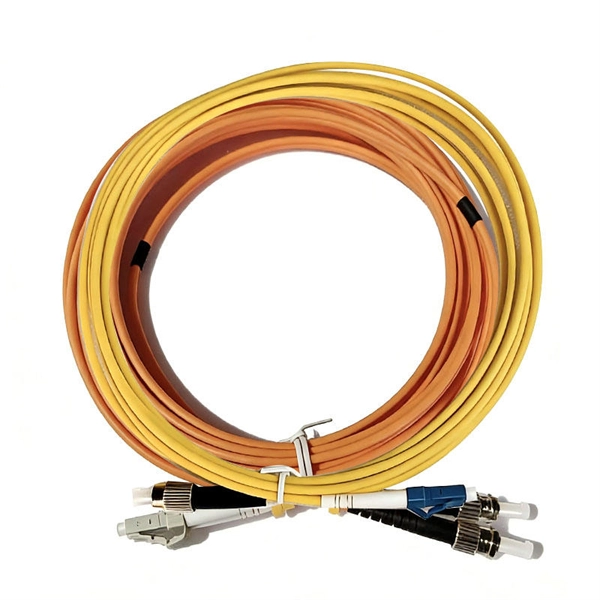
Fiber optic pigtails: A comprehensive guide and overview
Fiber optic pigtails are equipped with a single pre-terminated connector at one end, while the other end consists of bare fibers. Patch cords, on the other
Fiber Optic Cable vs Patch Cord vs Pigtail – Complete Guide
A pigtail is a short fiber with a factory-polished connector on one end and bare fiber on the other. You fusion-splice that bare end to a cable fiber inside an ODF, terminal box, or closure,
What is Fiber Pigtail? A Complete Guide for Beginners
Fiber optic pigtails have only one terminated connector on one side but bare fibers on another side. In contrast, the patch cords have two or more
What is Fiber Pigtail? A Complete Guide for Beginners
Fiber Pigtail vs. Fiber Patch Cord: What Is the Difference? Some guys may need clarification about fiber optic pigtails and patch cords. What is the
SC/APC 12-Color Fiber Optic Pigtail Set for Splicing & Termination
12 color-coded SC/APC pigtails with bare fiber ends for easy identification. High-quality ferrule, 100% tested, ideal for termination boxes & equipment connection.
What is a Fiber Optic Pigtail?
Fiber pigtails refer to fiber optic cables that contain a connector at one end to connect devices and bare optical fiber at the other end for cable
Fiber optic pigtails: A comprehensive guide and overview
- Fiber optic pigtails have a pre-terminated connector and bare fibers on the other end, while patch cords have pre-terminated connectors on both ends. - Fiber optic pigtails are typically
What Is A Fiber Optic Pigtail
Defining the Fiber Optic Pigtail: Purpose and Fundamental Role A fiber optic pigtail is a short segment of optical fiber cable (typically 0.5–3 meters,
Understanding Fiber Optic Pigtails: Types and Classifications Simplified
Characterized by having an optical fiber connector on one end and a bare fiber end on the other, they are primarily used to connect optical transceivers or other optical devices. This article
Fiber cable termination
Fiber Optic cable termination is the addition of connectors to each optical fiber in a cable. The fibers need to have connectors fitted before they can attach to other equipment. Two common solutions for
The 2026 Fiber Optic Pigtail Guide: SN/CS/MDC, Bend-Insensitive
A fiber optic pigtail is a short fiber cable with a factory-terminated connector on one end and bare fiber on the other end for fusion or mechanical splicing. It is the bridge between your
ANENG S-10+ Fiber Optic Thermal Stripper Rechargeable Clamp
[Efficient Fiber Stripping] This fiber optic heat stripper can simultaneously strip up to 48 bare fibers at once, significantly improving work efficiency and handling multiple fiber cables. [Precise Stripping]
The Complete Guide to Pigtail Fibers: Simplifying Optical Connectivity
A pigtail fiber is a short, pre-terminated optical cable with a connector on one end and a bare fiber on the other. Think of it as a “tail” that links a device (e.g., a transceiver, sensor, or
Go4Fiber Ltd-One Stop Fiber Optic Superstore
Bare Fiber Standard Bare Fiber Special Bare Fiber Interconnect Cable Simplex Cable Duplex Cable Buffered Fiber 900um
Bare Fiber PLC Splitter-PLC Splitter-Fiber Optic-Products-PLC Splitter
DAYTAI is a high-tech enterprise specializing in research development, production in PLC Splitter,Fiber optic Fast Connector,Optical Receiver,Fiber Optical Receiver,Fiber Optical Node,EDFA,Optical
Fiber Optic Pigtail: Types, Splicing Guide, Specs & Price
A fiber optic pigtail is a short fiber cable with a factory-installed connector on one end and a bare fiber end on the other. The bare end is stripped, cleaned, and fusion-spliced to a trunk or
Fiber Optic Pigtail: The Complete Guide to Types,
What Is a Fiber Optic Pigtail? A fiber optic pigtail is a short length of optical fiber cable with a factory-terminated connector on one end and a bare,