
Fiber infrastructure reference
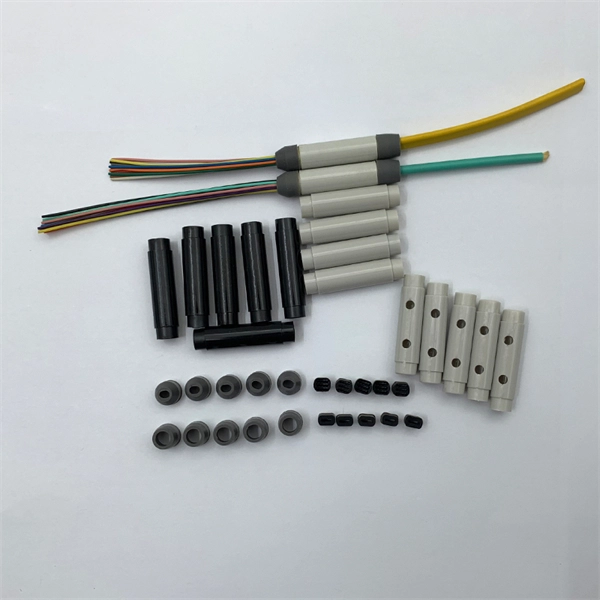
Heat Insulation and Protection Measures for Fireproof Cable Trays
Cable trays without proper insulation are susceptible to thermal deformation, embrittlement of materials, and in severe cases, spontaneous combustion of cable sheathing. Navigating these
Fire protection for cables & cable trays | Flamro
The large number of cable support systems run concealed in cable tunnels behind wall and floor coverings. Electrical lines can ignite themselves due to overheating
Cable Tray Fire Safety Tips for Commercial Buildings
Perforated cable trays and wire mesh cable trays improve airflow and heat dissipation, reducing the possibility of overheating and insulation damage. Commercial buildings should comply
What to Do When New Cables Are Added? Fireproofing Gaps to Avoid
Complex Cable Trays: Adding cables to existing trays can disrupt fireproofing integrity, creating gaps where flames can propagate. High-Heat Environments: In facilities like cement plants,
Effective Heat Insulation for Fireproof Cable Trays
Cable trays without proper insulation are susceptible to thermal deformation, embrittlement of materials, and in severe cases, spontaneous combustion of cable sheathing. Navigating these environments
The use of Fire-resistant cable tray in high-temperature workshops
Closed cable trays in high-temperature workshops can lead to heat accumulation, which in turn increases the risk of cable overheating. Open structures are preferred.
Fire Detection & Protection for Cable Trays | Thermocable
Cable trays are the lifelines of modern infrastructure—housing power, data, and control systems across industrial, commercial, and utility environments. But
Cable Tray Fires: Protection with Direct Low Pressure (DLP) Fire
Cable trays and trenches are vital components in industrial and commercial infrastructures. However, these areas are susceptible to fire hazards due to factors like electrical
Fireproof Cable Trays Acceptance: Standards for Safety and Longevity
Fireproof cable trays are specialized structures designed to support and protect cables. They resist extreme temperatures and prevent fire spread, ensuring system safety.
Fire Resistance Testing of Cable Trays: Key Standards & Methods
Fire resistance testing evaluates how well cable trays can withstand fire and prevent flames from spreading. This includes
Low Voltage VS High Voltage Cable Trays
Discover the key differences: Low Voltage VS High Voltage Cable Trays. Learn about their definitions, applications, materials, and more to choose
Fire Safety Considerations for Cable Trays: Protecting
Learn about essential fire safety measures for cable trays to safeguard your electrical infrastructure. Discover expert guidance and solutions
Fire Resistance Testing of Cable Trays: Key Standards & Methods
Are Your Cable Trays Fireproof? Here''s How to Find Out When a fire breaks out, the last thing you want is your cable trays
How Does Fire Protection for Cable Trays Contribute to Overall
Learn how fire protection for cable trays enhances industrial safety by preventing fire hazards in critical areas and protecting infrastructure.
Cable Tray Ventilation and Heat Dissipation Design
Learn about effective cable tray ventilation and heat dissipation design to prevent cable overheating, extend lifespan, and ensure safety in various buildings.
Electrical Cable Tray Fire Protection
Maintenance Electrical Cable Tray Fire Protection One of the most significant fire protection requirements for processing facilities and offshore
Cable Tray and Raceway Fill Violations
One area where attention is critical is the installation and maintenance of cable trays and raceways. If these components are filled beyond their recommended capacity, we could face risks of overheating
How to Prevent Fire and Electric Hazards in Cable Tray
Safety of a cable tray is not a matter of compliance with codes, but a matter of saving human life and billions of dollars'' worth of infrastructure. Poorly
Related Video Reference
This video was associated with the source search result. Verify technical details against current product documentation and project requirements.